Reading guide
Books to help you read a true story
These are our picks for readers who want to read a true story. They come from the Everyday Guidebooks library (we publish them, so we know what is inside). We add other publishers' popular titles to each guide as we review them.
1. Built by Blueprint
Best for: readers who want to read a true story.
Built by Blueprint: The Todd Michael Story
2. Memoir Writing Guidelines for Braiding Storylines
Best for: readers who want to read a true story.
Your life did not unfold in a single, tidy storyline. Your memoir does not have to, either. If you are searching for memoir writing guidelines to help you bring multiple threads together, this practical guide shows you how to build a braid that readers can follow. Learn how to choose strands with enough substance to…
3. Memoir Writing Guidelines for Difficult Conversations
Best for: readers who want to read a true story.
Your story is yours to tell—but it may also involve people who remember events differently, value their privacy, or dread seeing themselves on the page. Memoir Writing Guidelines for Difficult Conversations offers a practical way to consider those concerns without giving up responsibility for your own work. Through focused questions, examples, and adaptable scripts, you’ll…
4. Memoir Writing Guidelines for Protecting Privacy
Best for: readers who want to read a true story.
Your life story is yours to tell—but other people live in its pages, too. How do you write honestly about a difficult relationship, a family secret, or a revealing conversation without overlooking someone else's privacy? Memoir Writing Guidelines for Protecting Privacy offers a practical framework for weighing the needs of your story against questions of…
5. Memoir Writing Topics Hidden in Family Objects
Best for: readers who want to read a true story.
A chipped mug, a crowded recipe card, or a key with no known lock can open a door into your past. But how do you turn the memory an object sparks into a story worth writing? Memoir Writing Topics Hidden in Family Objects helps you discover memoir writing topics in the belongings that have passed…
6. Memoir Writing Topics from Everyday Work
Best for: readers who want to read a true story.
Your working life holds stories worth telling—even if you have never thought of yourself as a writer. The moment you learned a skill, took on an obligation, or realized something had changed can become the center of a personal essay. Memoir Writing Topics from Everyday Work offers guided questions for exploring memories of paid employment,…
7. Memoir Writing Topics
Best for: readers who want to read a true story.
You know your life holds stories worth telling. But which one could become a memoir—and where should it begin and end? Memoir Writing Topics: Finding the Turning Point helps you move from a collection of memories to a focused story idea. Instead of asking you to cover your whole life, it invites you to examine…
8. Memoir Writing for Beginners
Best for: readers who want to read a true story.
You have a story worth telling—but you don't have to start with the day you were born. Memoir Writing for Beginners helps you choose one meaningful period or experience and shape it into a focused draft. Whether you want to explore a family turning point, a season of change, or a decision that altered your…
9. The Autobiography Writing Guide for Families
Best for: readers who want to read a true story.
Your life story does not have to begin with perfect memories or polished prose. It begins with the moments you can recall, the questions you are willing to ask, and a simple plan for putting events in order. The Autobiography Writing Guide for Families helps you build a chronological account for the people who matter…
10. The Memoir Throughline
Best for: readers who want to read a true story.
You don't have to write about your entire life to tell a story that matters. You need to discover what changed—and choose the moments that reveal it. The Memoir Throughline is a practical guide for writers who have memories, journals, and stories to tell but aren't sure how to bring them together. Whether you're beginning…
11. Writing Memoirs About Other People
Best for: readers who want to read a true story.
Your memories belong to you. But what happens when telling your story means writing about someone else? Writing memoirs can bring difficult choices into focus: a sibling remembers an argument differently, a friend shared a secret, or a parent may recognize themselves in a scene you need to tell. This practical guide helps you work…
12. Writing Memoirs When Memory Is Fragmented
Best for: readers who want to read a true story.
You remember the kitchen light, a sentence someone spoke, and the feeling of leaving—but not quite what happened first. Can those fragments become a memoir? Yes, and you don't have to fill every gap to tell a story worth reading. Writing Memoirs When Memory Is Fragmented offers practical tools for writers who want to work…
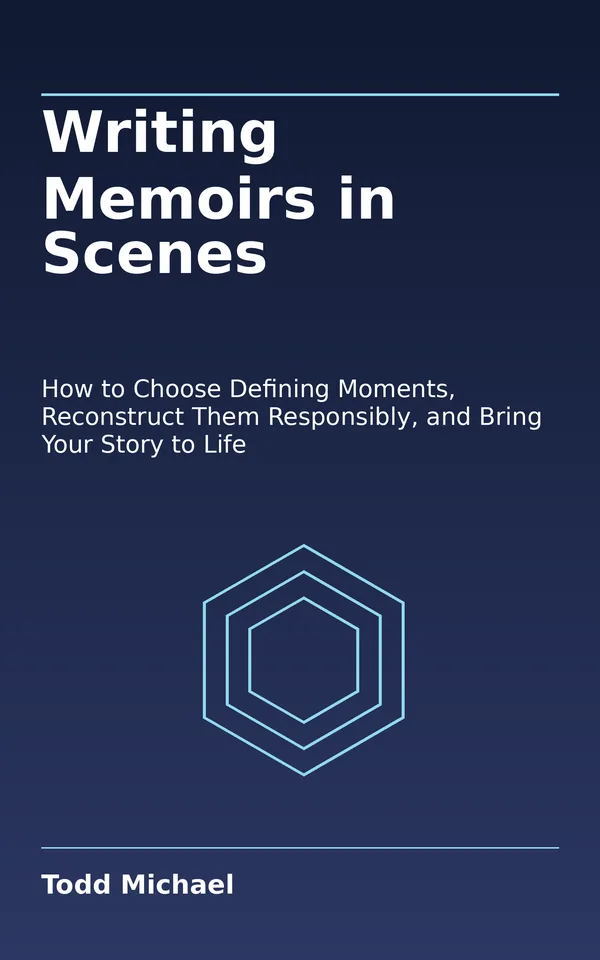
13. Writing Memoirs in Scenes
Best for: readers who want to read a true story.
A memoir can span years, but its power often lives in a single moment: a conversation at the kitchen table, a departure, or a decision whose meaning becomes clear only later. Writing Memoirs in Scenes shows you how to find those moments and shape them into scenes readers can experience. You'll learn to choose events…
See every biography & memoir title at Everyday Guidebooks.