Reading guide
Books to help you think clearly and build better relationships
These are our picks for readers who want to think clearly and build better relationships. They come from the Everyday Guidebooks library (we publish them, so we know what is inside). We add other publishers' popular titles to each guide as we review them.

1. A Common Language for Worry
Best for: readers who want to think clearly and build better relationships.
When a friend shares a worry, it can feel as though you need to find the perfect answer. You don't. Often, what matters most is making room for an honest conversation and asking what kind of support would actually help. A Common Language for Worry offers practical anxiety guidelines for friends who want to listen…
2. A Daughter's Dementia Caregiver Journey
Best for: readers who want to think clearly and build better relationships.
You may still be her daughter, but now you are also managing appointments, answering repeated questions, and wondering why the rest of the family assumes you can do it all. As dementia changes your parent, it can also change the roles, expectations, and memories that hold your family together. Written for the dementia caregiver daughter…

3. A Kinder Scorecard
Best for: readers who want to think clearly and build better relationships.
What if you could look at your life without handing yourself a grade? A Kinder Scorecard is a self esteem guided journal for people who are tired of measuring their worth by productivity, approval, or perfect choices. Through thoughtful writing prompts, you’ll identify strengths you may overlook, revisit times when you found a way forward,…

4. A Parent Teen Guide to Difficult News
Best for: readers who want to think clearly and build better relationships.
When family life changes suddenly, finding the right words for your teenager can feel impossible. You may be facing a death, a serious illness, a separation, financial hardship, or another painful change—and wondering how much to say when you don’t have all the answers yourself. A Parent Teen Guide to Difficult News offers a calm,…
5. A Parenting Guide to Blended Families
Best for: readers who want to think clearly and build better relationships.
Blending a family is not a single event. It is a series of introductions, adjustments, conversations, and ordinary days that give relationships room to grow. This parenting guide offers practical support for adults navigating the questions that arise along the way: When should children meet a parent's partner? What happens when two homes have different…
6. A Pause Before the Next Shift
Best for: readers who want to think clearly and build better relationships.
You care about your community. But showing up for others can bring complicated feelings, difficult conversations, and days when your energy runs low. A Pause Before the Next Shift offers written practices designed for the real rhythms of volunteering. Settle yourself before you begin, find your footing after a hard interaction, and notice when you…
7. A Pause for the Body
Best for: readers who want to think clearly and build better relationships.
You do not have to sit perfectly still or close your eyes to take a meaningful pause. A Pause for the Body offers text-based practices for moments when stress leaves you feeling tight, restless, or disconnected from your surroundings. Notice the support of a chair, explore where muscles are working, and experiment with small, gentle…
8. A Place to Begin Again
Best for: readers who want to think clearly and build better relationships.
If the idea of sitting perfectly still makes you want to give up before you begin, mindfulness can start somewhere else. A Place to Begin Again offers mindfulness for beginners through short practices you can try while standing, walking, or noticing the world around you. Feel your feet meet the floor, listen to the sounds…
9. A Place to Put Your Attention
Best for: readers who want to think clearly and build better relationships.
You don't need a silent room, a special cushion, or a long stretch of free time to practice paying attention. You can begin while standing at the counter, walking down a hallway, or reaching for a cup. A Place to Put Your Attention offers mindfulness for beginners who would rather start with ordinary movement than…
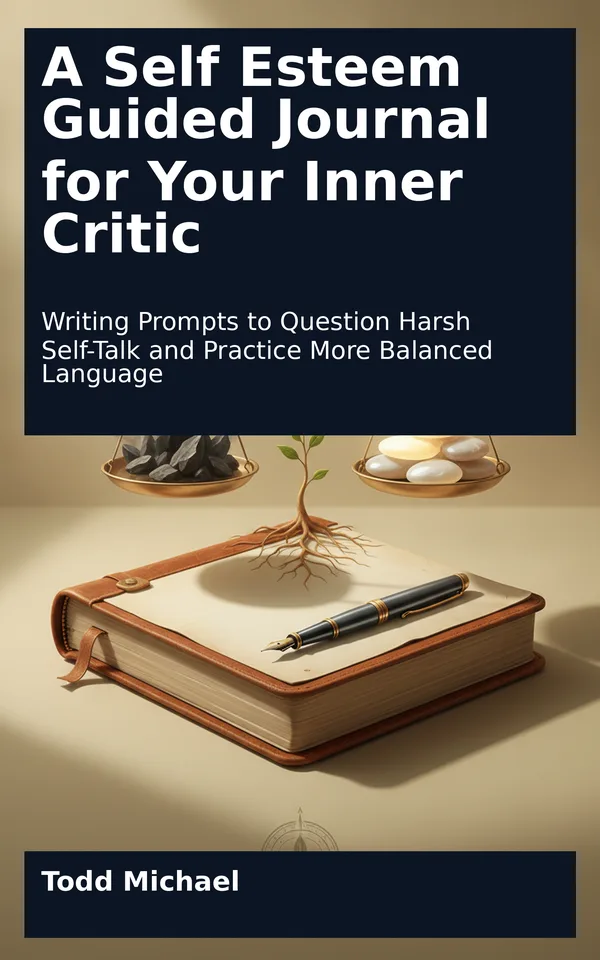
10. A Self Esteem Guided Journal for Your Inner Critic
Best for: readers who want to think clearly and build better relationships.
Does one mistake linger in your mind long after everyone else has moved on? When your inner critic speaks in absolutes, it can be hard to hear anything else. This self esteem guided journal offers a thoughtful way to slow that conversation down. Through accessible writing prompts, you will learn to notice recurring patterns of…
11. A Self Esteem Guided Meditation for Belonging
Best for: readers who want to think clearly and build better relationships.
Walking into a new group can stir up a familiar question: Do I belong here? This book offers a gentle place to pause before answering it. A Self Esteem Guided Meditation for Belonging brings together original meditation scripts and reflection prompts for moments when you feel like an outsider. Read slowly, pause where you need…
12. A Simple Mindfulness Guide to Eating
Best for: readers who want to think clearly and build better relationships.
Eating is something you do every day, but how often do you get a chance to notice the experience? This mindfulness guide offers a gentle way to pay attention at meals without turning eating into another project to perfect. Through short, flexible exercises, you’ll explore what hunger feels like for you, notice flavors and textures,…
13. A Single Mom's Guide to Earning More
Best for: readers who want to think clearly and build better relationships.
You deserve a plan for earning more that takes your whole life into account—not just the number on a job offer. If you have searched for “single mom how to make money,” this guide helps you move from scattered advice to informed choices about work and pay. Start by identifying skills you already use at…
14. A Softer Landing
Best for: readers who want to think clearly and build better relationships.
A new job, a move, or another major change can fill your days with decisions while leaving you little time to catch your breath. A Softer Landing offers practical stress relief for beginners who want to meet those demands without treating rest as one more thing to earn. Learn to recognize your personal signs of…
15. A Stress Relief Guided Journal for Financial Strain
Best for: readers who want to think clearly and build better relationships.
When money feels uncertain, it can be hard to know where to begin—or even to put your worries into words. This stress relief guided journal offers a private, judgment-free place to slow down and understand what financial strain is bringing into your daily life. Through thoughtful prompts and reflection exercises, you’ll identify the situations that…
16. Aging Parents Guide to Safer Driving Decisions
Best for: readers who want to think clearly and build better relationships.
You noticed a missed turn, a dent no one mentioned, or a moment of hesitation at an intersection. Does it mean your parent should stop driving? And how do you bring it up without turning concern into a fight? This aging parents guide offers a thoughtful path through one of caregiving's hardest conversations. Learn to…
17. Aging Parents Support Groups Near You
Best for: readers who want to think clearly and build better relationships.
Searching for an “aging parents support group near me” can bring up a confusing mix of meetings, directories, advertisements, and outdated listings. This guide helps you turn those results into a manageable shortlist—and find support that fits your life. Learn where to look for local and online groups, how to check whether a meeting is…
18. Aging Parents
Best for: readers who want to think clearly and build better relationships.
A new diagnosis can leave your family with a stack of papers, unfamiliar terms, and more questions than answers. If you have searched for “aging parents what to do,” start here: you don't have to solve everything today. This practical guide helps you prepare for conversations with the care team and keep track of what…
19. Alzheimer's Guidelines for Hospital Stays
Best for: readers who want to think clearly and build better relationships.
A hospital stay can be unsettling for anyone. When your parent has Alzheimer's, unfamiliar rooms, changing routines, and multiple care providers can make it harder to communicate what matters. Alzheimer's Guidelines for Hospital Stays gives family caregivers a practical way to prepare and participate without trying to replace the medical team. Learn what information to…
20. Alzheimer's Guidelines for Managing Visitors
Best for: readers who want to think clearly and build better relationships.
A visit can bring connection and comfort—but it can also become overwhelming when the room is busy, the conversation moves too fast, or everyone stays too long. How can you help family and friends show up in ways that feel good for the person living with Alzheimer's? These practical alzheimer's guidelines help you plan visits…
21. Alzheimer's Guidelines for Safer Wandering
Best for: readers who want to think clearly and build better relationships.
When someone you love walks away or has trouble finding their way home, it can be difficult to know how to protect them without taking away their independence. Alzheimer's Guidelines for Safer Wandering offers a compassionate starting point for families facing that balance. Learn how to observe when and where walking occurs, consider possible unmet…
22. Alzheimer's and the Changing Neighborhood
Best for: readers who want to think clearly and build better relationships.
A trip to the coffee shop or a walk past a favorite garden can still offer connection when your parent has Alzheimer's. But familiar places may bring unfamiliar challenges—and caregivers don't have to figure them out alone. Alzheimer's and the Changing Neighborhood helps you plan outings around your parent's preferences, energy, and changing abilities. Learn…
23. Alzheimer's for Beginners
Best for: readers who want to think clearly and build better relationships.
A possible Alzheimer's diagnosis can leave a family with more questions than answers. What do the medical terms mean? Why are symptoms different from one person to another? And which decisions need attention now, rather than later? Alzheimer's for Beginners offers a calm starting point for relatives navigating unfamiliar territory. In straightforward language, it explains…
24. An Artist's Guide to Overthinking
Best for: readers who want to think clearly and build better relationships.
You want to make something, but first you need the right supplies, the right idea, and a plan you can’t possibly get wrong—or so your mind insists. An Artist’s Guide to Overthinking offers a gentler way into creative practice. Written for anyone searching for help with overthinking art for beginners, this practical guide uses text-based…
25. Anxiety Books for the Job Search
Best for: readers who want to think clearly and build better relationships.
A job search can fill your days with decisions—and your mind with questions you cannot answer yet. Did they see your application? Should you check again? What does another rejection mean about your future? Anxiety Books for the Job Search offers a practical way to keep looking without making the search your whole life. You…

26. Anxiety Guided Meditation for Weather Worries
Best for: readers who want to think clearly and build better relationships.
When the forecast turns gray, does your mind race ahead? Anxiety Guided Meditation for Weather Worries offers a gentle way to meet ordinary bad weather without getting pulled into a cycle of repeated checking. Inside, you'll find read-along grounding scripts for rainy mornings, windy afternoons, rumbling thunderstorms, and the uncertain hours when a forecast keeps…

27. Anxiety Guided Meditation for the First Day
Best for: readers who want to think clearly and build better relationships.
A first day can begin long before you arrive. Whether you are starting a job, attending a class, entering an unfamiliar place, or facing another new beginning, this book offers a way to pause and meet the moment as it is. Created for readers searching for anxiety guided meditation, these short practices follow the path…

28. Anxiety Guidelines for Pet Owners
Best for: readers who want to think clearly and build better relationships.
When your pet grows older, love can come with a new kind of worry. Is that change worth a call to the veterinarian? Have you researched enough? And how can you be present together when your mind keeps jumping ahead? Anxiety Guidelines for Pet Owners offers a compassionate way to separate useful care planning from…
29. Anxiety Guidelines for Supporting a Friend
Best for: readers who want to think clearly and build better relationships.
When a friend tells you they are anxious, you may want to help but have no idea what to say. Should you offer advice, change the subject, or simply listen? And what happens when their needs begin to exceed your capacity? Anxiety Guidelines for Supporting a Friend offers practical ways to show up without trying…

30. Anxiety Relief Before Bed
Best for: readers who want to think clearly and build better relationships.
When the day gets quiet, does your mind get louder? Anxiety Relief Before Bed offers a gentle way to make room for worries without letting them take over your evening. Rather than asking you to empty your mind or follow a rigid sleep formula, this practical guide helps you give concerns a place earlier in…

31. Anxiety Relief During Travel
Best for: readers who want to think clearly and build better relationships.
You want to take the trip, but your mind is already running through missed connections, forgotten essentials, and everything that could go wrong. Anxiety Relief During Travel helps you prepare without trying to control every detail. From choosing a manageable itinerary to settling in somewhere unfamiliar, this practical guide walks you through the decisions and…
32. Anxiety Symptoms in Everyday Life
Best for: readers who want to think clearly and build better relationships.
A racing heart before a meeting. A restless night. A growing habit of avoiding ordinary errands. Could these be anxiety symptoms—or signs of something else? Anxiety Symptoms in Everyday Life offers a clear, compassionate look at physical, emotional, and behavioral experiences that can accompany anxiety. Rather than asking you to diagnose yourself, it helps you…
33. Anxiety
Best for: readers who want to think clearly and build better relationships.
The argument is over, but your body and mind may not have gotten the message. Your shoulders are tight, your thoughts keep circling, and you are wondering whether to apologize, explain yourself, or leave the subject alone. If you have searched for “anxiety how to calm down,” this guide offers practical options for the difficult…
34. Anxiety
Best for: readers who want to think clearly and build better relationships.
Your presentation is coming up, and your mind is already racing. What if you forget your opening, lose your place, or cannot settle your nerves before you speak? If you are searching for anxiety how to calm down before a presentation, this guide offers a practical place to start. Learn how to rehearse under realistic…

35. Anxiety
Best for: readers who want to think clearly and build better relationships.
If you have ever searched for “anxiety how to calm down” before a medical test, you are not alone. Even a routine appointment can bring worries about needles, unfamiliar equipment, discomfort, or simply not knowing what comes next. This practical guide helps you identify what feels difficult and make a plan that fits your needs.…
36. Anxiety
Best for: readers who want to think clearly and build better relationships.
When worry grows louder in a quiet home, it can be hard to know what to do next. If you have searched for “anxiety how to deal with it,” this practical guide offers a place to begin—without assuming that living alone is a problem to fix. Learn simple grounding exercises for moments when your thoughts…
37. Anxiety
Best for: readers who want to think clearly and build better relationships.
You have explained the assignment. Your team member has accepted it. So why is it so hard to stop checking? If you are searching for anxiety how to deal with it after becoming a supervisor, this book offers a focused place to start. It explores the uneasy space between assigning work and seeing the result,…
38. Apocalypse Parenting Without the Panic
Best for: readers who want to think clearly and build better relationships.
Preparing your family for the unexpected doesn’t have to mean frightening your kids—or filling the garage with gear you may never use. Apocalypse Parenting Without the Panic offers a calmer approach to readiness: practical plans built around the people who matter most. Whether you’re facing a power outage, an evacuation, or a sudden loss of…
39. Art Without the Second Guessing
Best for: readers who want to think clearly and build better relationships.
Do you want to make something, but find yourself stuck choosing supplies, staring at a blank page, or changing the same detail again and again? Art Without the Second Guessing offers a gentler way in. Created for new artists and writers, this practical guide pairs low-pressure prompts with simple decisions that make creating feel manageable.…
40. Before Baby, After Birth
Best for: readers who want to think clearly and build better relationships.
You can pack the hospital bag and install the car seat—but are you ready to support your partner after the birth? If you're looking for a new dad's guide to pregnancy, Before Baby, After Birth takes the preparation one essential step further. It helps you start useful conversations before delivery and make a practical plan…

41. Before You Hire an Elder Care Attorney
Best for: readers who want to think clearly and build better relationships.
Finding an elder care attorney can feel urgent when a parent needs help, a spouse faces a health crisis, or a family discovers that no one is sure who can make decisions. Yet the first appointment can be difficult to use well if you don't know which questions to ask. Before You Hire an Elder…
42. Caregiver Training Before You Begin
Best for: readers who want to think clearly and build better relationships.
Searching for caregiving courses for beginners can leave you with more questions than answers. Do you need a certificate? Is an online class enough? Which skills should you practice with a professional before helping someone at home? Caregiver Training Before You Begin gives you a practical way to compare your options before you commit your…
43. Caregiving Before Burnout
Best for: readers who want to think clearly and build better relationships.
You may not notice how much caregiving has grown until there is no room left for a break. If appointments, errands, phone calls, and constant availability are becoming too much, you do not have to wait for a crisis to make a change. Caregiving Before Burnout is a practical caregiving guide for family members and…
44. Caregiving Guidelines for Oral Health
Best for: readers who want to think clearly and build better relationships.
Helping someone with mouth care can feel unexpectedly personal. How do you offer help without taking over? What if brushing is uncomfortable, dentures are difficult to manage, or your loved one says no? Caregiving Guidelines for Oral Health offers practical caregiving guidelines for families supporting an older adult. You'll learn how to prepare a comfortable…
45. Caregiving Guidelines for Preventing Skin Injuries
Best for: readers who want to think clearly and build better relationships.
Small changes in the skin can be easy to miss when you are managing meals, medications, appointments and the daily needs of someone you love. This practical guide helps you make skin awareness a manageable part of everyday caregiving, without asking you to become a medical professional. Inside, you will learn how limited movement, moisture,…
46. Caregiving Guides for the Working Adult
Best for: readers who want to think clearly and build better relationships.
When your parent needs help and your job still needs you, every phone call can feel like a scheduling emergency. Caregiving Guides for the Working Adult helps you turn competing demands into a plan you can adjust as circumstances change. Learn how to map your parent's needs against your actual availability, prepare for a conversation…
47. Caregiving for Beginners
Best for: readers who want to think clearly and build better relationships.
When someone you love needs help with everyday tasks, even a familiar routine can suddenly feel unfamiliar. How do you offer help without taking over? What should you know before assisting someone out of a chair? And how can you support a medication routine without making decisions that belong to a clinician? Caregiving for Beginners…
48. Caring for Beginners When Hearing Fades
Best for: readers who want to think clearly and build better relationships.
When conversations become frustrating, it can be hard to know how to help an older parent without taking over. This approachable guide to caring for beginners offers practical ways to make everyday communication easier while respecting your parent's independence and choices. Learn how to reduce background noise, find better places to talk, and adjust familiar…
49. Choosing an Elder Care Alert Button
Best for: readers who want to think clearly and build better relationships.
An elder care button can offer a straightforward way to call for help—but the right choice depends on more than the button itself. Who receives the alert? Will it work in the yard, during a power outage, or when the person who usually answers is away? And what will the service really cost? Choosing an…
50. Dementia Caregiver Guide to Changing Routines
Best for: readers who want to think clearly and build better relationships.
When an ordinary meal, bath, or bedtime suddenly becomes difficult, it can be hard to know what to change first. This dementia caregiver guide offers a calm, practical way to understand what may be happening and adapt everyday routines without losing sight of the person you love. Learn how to notice patterns, explore possible sources…
51. Dementia Caregiver Tools for Mealtime Distress
Best for: readers who want to think clearly and build better relationships.
When a parent with dementia becomes upset at the table, the problem may not be the food. A noisy room, an unfamiliar dining space, or the pressure to eat with others can make an ordinary meal feel overwhelming. Dementia Caregiver Tools for Mealtime Distress offers practical ways to observe what happens before, during, and after…
52. Dementia Caregiver Tools for Meaningful Days
Best for: readers who want to think clearly and build better relationships.
When familiar routines change, spending time together can feel uncertain. You may wonder what to say, how to invite someone to participate, or what to do when an idea simply isn't working. Dementia Caregiver Tools for Meaningful Days offers a gentler starting point: notice what matters to the person and adapt the moment to their…
53. Dementia Caregivers Facing Repeated Questions
Best for: readers who want to think clearly and build better relationships.
“When are we leaving?” “Is anyone coming?” “Are you sure everything is all right?” When the same question returns throughout the day, even the most devoted caregiver can feel exhausted. This guide helps dementia caregivers look beyond the words to consider what a loved one may be feeling—and respond with reassurance rather than an argument…
54. Dementia Caregivers and Intimacy
Best for: readers who want to think clearly and build better relationships.
When dementia changes a marriage, questions about closeness can be among the hardest to ask. You may miss familiar affection, feel uncertain about sexual intimacy, or wonder how to protect your partner's dignity while honoring your own needs. Written for spouses and partners, Dementia Caregivers and Intimacy offers a compassionate place to begin. Explore ways…
55. Dementia Caregivers and the Grief That Comes Early
Best for: readers who want to think clearly and build better relationships.
How do you grieve a relationship that is changing when the person you love is still here? For dementia caregivers, loss can arrive in moments both large and small: a conversation that no longer unfolds as it once did, a familiar role that shifts, or a future that begins to look different. These experiences can…

56. Digital Detox After Work
Best for: readers who want to think clearly and build better relationships.
Your workday may be over, but your phone hasn't gotten the message. If an evening of constant checking leaves you feeling as though you never really clocked out, Digital Detox After Work offers a practical way to take your time back. You don't need to delete every app, ignore emergencies, or follow a perfect routine.…

57. Digital Detox Guidelines for Better Boundaries With Email
Best for: readers who want to think clearly and build better relationships.
You do not have to vanish from work to feel less controlled by your inbox. Digital Detox Guidelines for Better Boundaries With Email offers practical digital detox guidelines for people who need to stay connected while protecting their attention and personal time. Start by identifying your real response obligations and the habits that keep you…

58. Digital Detox Guidelines for Shared Devices
Best for: readers who want to think clearly and build better relationships.
When a television fills the living room, a shared tablet reveals private messages, or a late-night video wakes a housemate, the problem isn't always the screen. Often, it's that nobody has agreed on how to share it. Digital Detox Guidelines for Shared Devices helps households turn recurring frustrations into clear, flexible agreements. You'll learn how…

59. Digital Detox for Creators
Best for: readers who want to think clearly and build better relationships.
You want to make things, share them, and connect with people who care. But between preparing posts, checking reactions, and keeping up with other creators, the time you meant to spend creating can quietly disappear. Digital Detox for Creators offers practical digital detox guidelines for people who cannot—or do not want to—leave the internet entirely.…
60. Digital Detox for Families
Best for: readers who want to think clearly and build better relationships.
Does every request to put a device down turn into a negotiation? A digital detox does not have to mean banning screens or expecting your family to follow a perfect plan. It can begin with one honest conversation and a few agreements that fit your real life. Digital Detox for Families gives parents and caregivers…

61. Digital Detox for Group Chats
Best for: readers who want to think clearly and build better relationships.
You care about the people in your group chats. You just don't want to feel on call for every message. If you've searched for “digital detox meaning” and found advice to delete your apps or disappear for a weekend, this book offers a more realistic alternative. Digital Detox for Group Chats helps you stay connected…

62. Digital Detox for a Better Night Out
Best for: readers who want to think clearly and build better relationships.
You made time to go out together. Why does it sometimes feel as though everyone is somewhere else? If you've searched for digital detox meaning, you may have found advice about deleting apps or disappearing offline. This book offers a more flexible approach: plan an enjoyable outing with fewer screen interruptions while keeping your phone…
63. Digital Detox
Best for: readers who want to think clearly and build better relationships.
You finally have a little time to yourself. Then you pick up your phone, and the evening seems to disappear. If that sounds familiar, you don't need a stricter schedule or a perfect morning routine. You need a kinder way to notice where your leisure goes and make space for things you enjoy. For readers…

64. Digital Detox
Best for: readers who want to think clearly and build better relationships.
You pick up your phone to check one thing. Twenty minutes later, you are still scrolling—and not entirely sure what you came for. If you have searched for “digital detox how to start,” this guide offers a practical place to begin: the feeds and recommendations competing for your attention. Instead of demanding that you delete…
65. Digital Detox
Best for: readers who want to think clearly and build better relationships.
Your phone can hold your class notes, group chats, and calendar—and still pull you away from the work you sat down to do. You don't have to abandon technology to study with more intention. Digital Detox: How to Study Without the Scroll gives you a practical way to notice what happens before, during, and after…

66. Digital Detox
Best for: readers who want to think clearly and build better relationships.
You planned to take a break. Then a notification appeared, a quick check became a scroll, and lunch was over. If you have searched for “digital detox how to” but cannot—or do not want to—put your phone away all day, start with the break you already have. This practical guide helps you notice what pulls…

67. Digital Detox
Best for: readers who want to think clearly and build better relationships.
What does it mean to take a digital detox when people still need to reach you? If you have searched for digital detox meaning, you may be looking for more than a weekend without your phone. You may want relief from the pressure to answer every message as soon as it arrives. Digital Detox: What…
68. Dog Training for Calm Visitors
Best for: readers who want to think clearly and build better relationships.
Does the doorbell turn a friendly visit into a scramble of barking, jumping, or worry? Dog training for visitors does not have to begin with a crowded doorway. It can start with a quiet room, a comfortable resting spot, and a plan everyone understands. Dog Training for Calm Visitors guides you through a practical routine…
69. Elder Care Across Two Households
Best for: readers who want to think clearly and build better relationships.
When elder care is shared across two households, even a small missed update can turn into a major misunderstanding. One relative notices a change in appetite; another handles appointments; your parent may have wishes neither has fully heard. Elder Care Across Two Households offers a practical way to bring those pieces together without expecting your…
70. Elder Care Costs Without the Guesswork
Best for: readers who want to think clearly and build better relationships.
How much will care really cost—and what happens when the first estimate leaves out the extras? Elder Care Costs Without the Guesswork helps families make a clearer plan before a crisis or contract forces a decision. Whether a relative is providing care, you are considering paid help at home, or a residential community is on…
71. Elder Care When Siblings Disagree
Best for: readers who want to think clearly and build better relationships.
You and your siblings want the best for your parent—but you may disagree about what that means. One sees a safety risk; another sees a threat to independence. A third is worried about the cost, while your parent may have an entirely different view. Elder Care When Siblings Disagree offers a practical way forward without…
72. Elder Care and Assisted Living Decisions
Best for: readers who want to think clearly and build better relationships.
Choosing a place for an older parent to live can feel urgent, confusing, and deeply personal. How much help does your parent actually need? What separates assisted living from memory care or a nursing home? And how can you compare communities without losing sight of the person at the center of the decision? Elder Care…
73. Elder Care in Baltimore
Best for: readers who want to think clearly and build better relationships.
Searching for elder care baltimore can bring up a bewildering mix of agencies, programs, and providers. Where should your family begin—and how can you tell which options fit your situation? Elder Care in Baltimore offers a practical starting point for families exploring support for an older adult. Learn how to describe care needs, find the…
74. Finding Support for Aging Parents and Their Families
Best for: readers who want to think clearly and build better relationships.
When you search for an "aging parents support group near me," the results may leave you with more questions than answers. Is the group welcoming to people in your situation? Can you attend online or bring your parent? What happens to the personal stories you share? This practical guide helps you look for local and…
75. Finding a Dementia Caregiver Support Group
Best for: readers who want to think clearly and build better relationships.
You care for someone living with dementia, but who is there for you? Finding a dementia caregiver support group can feel like one more task on an already crowded list. This guide breaks the search into manageable steps, whether you want to meet nearby, connect online, or explore options that work around unpredictable care responsibilities.…
76. Gentle Parenting for Beginners After a Scary Event
Best for: readers who want to think clearly and build better relationships.
When something frightening happens, you may wonder what to say, what to do, and whether your child is going to be okay. You don't need perfect answers to offer steady support. Written for caregivers seeking gentle parenting for beginners, this practical guide helps you respond with warmth while making room for your child's individual reactions.…
77. Gentle Parenting for Beginners Facing Meltdowns
Best for: readers who want to think clearly and build better relationships.
When your child is overwhelmed, finding the right words can feel impossible. This guide to gentle parenting for beginners offers a practical place to start: notice the signs of overload, reduce demands during the hardest moments, and reconnect when your child is ready. Learn how to spot patterns without blaming yourself or your child, prepare…
78. Gentle Parenting for Beginners
Best for: readers who want to think clearly and build better relationships.
When your child comes home worried, disappointed, or upset about a mistake, it can be tempting to jump straight into advice. But before a child is ready to solve a problem, they may need to know someone is listening. Gentle Parenting for Beginners: Listening to School-Age Kids offers practical ways to slow down and make…

79. Grace in the Ordinary
Best for: readers who want to think clearly and build better relationships.
What if an ordinary day could become a place to notice grace? Grace in the Ordinary invites you to explore simple Christian practices without adding another demanding routine to your life. Through prayer, gratitude, hospitality, and reflection, you can make space for faith amid unfinished chores, changing schedules, and imperfect relationships. Each chapter begins with…
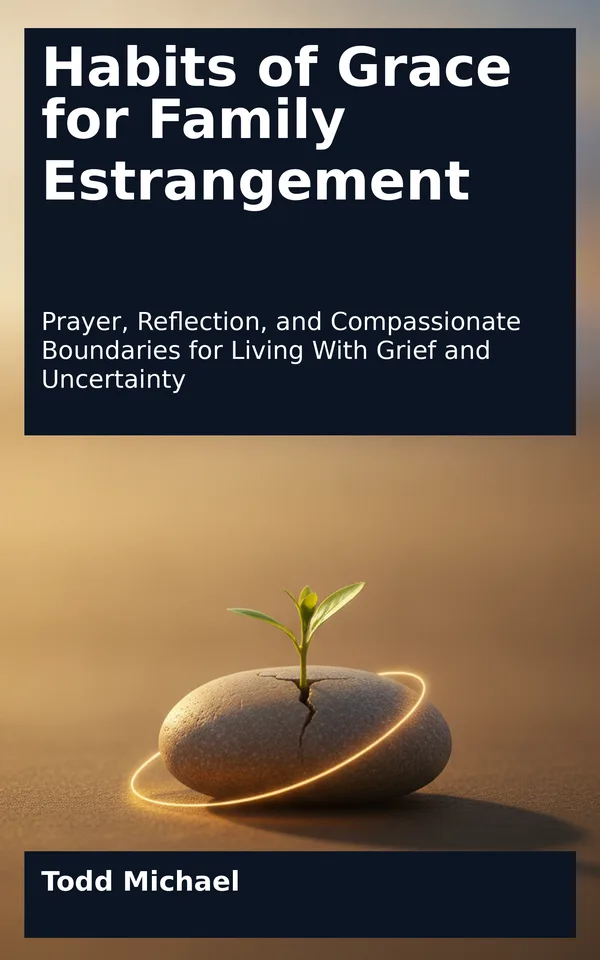
80. Habits of Grace for Family Estrangement
Best for: readers who want to think clearly and build better relationships.
Family estrangement can leave you carrying grief that others do not see and questions no one can answer. You may miss someone and still need distance. You may hope for change while knowing that renewed contact is not safe or possible. Habits of Grace for Family Estrangement offers a gentle, prayerful companion for living in…
81. Habits of a Godly Woman in Community
Best for: readers who want to think clearly and build better relationships.
Community can be a source of encouragement, but finding your place in it is not always simple. Perhaps you long for deeper friendships, want to serve without becoming stretched thin, or wonder how prayer fits into the relationships you already have. Habits of a Godly Woman in Community offers a gentle, Scripture-based way to explore…

82. Habits of the Sea for Unpredictable Weeks
Best for: readers who want to think clearly and build better relationships.
Some weeks offer room to breathe. Others leave you choosing between the essentials. Your routines can make room for both. Habits of the Sea for Unpredictable Weeks offers a tide-inspired way to care for your mental well-being without demanding the same effort every day. Instead of one rigid routine, you’ll create three versions: a full…
83. Habits
Best for: readers who want to think clearly and build better relationships.
You pick up your phone to check the time and look up minutes later, unsure what pulled you in. Sound familiar? You don't need to abandon your phone to change that pattern. Habits: How to Change Your Phone Checking offers a practical way to notice when automatic checks happen, understand what cues them, and test…
84. Healthy Habits for Beginners After Leaving School
Best for: readers who want to think clearly and build better relationships.
Leaving school can mean more freedom—and a surprising number of everyday decisions. When will you eat? How will you fit movement into an unpredictable week? What happens to rest when nobody else sets the schedule? Healthy Habits for Beginners After Leaving School helps you answer those questions without demanding a perfect routine. Designed for readers…
85. Healthy Habits for Beginners Living With Roommates
Best for: readers who want to think clearly and build better relationships.
Want healthier routines but share a kitchen, bathroom, or wall with someone on a completely different schedule? Healthy habits for beginners do not have to depend on a spotless apartment, expensive equipment, or roommates who follow the same plan. Todd Michael offers practical ways to make shared living work for your well-being. Create a sleep…
86. How a Family Caregiver Can Get Paid
Best for: readers who want to think clearly and build better relationships.
You may be managing medications, preparing meals, and rearranging your work life to care for someone you love. If you have searched “caregiver how to get paid,” you already know how difficult it can be to separate realistic possibilities from promises that sound too good to be true. This practical guide helps you investigate potential…
87. How to Accept Your Parents Aging
Best for: readers who want to think clearly and build better relationships.
You may notice it in a forgotten appointment, a slower walk, or a conversation that leaves you unexpectedly sad. Watching a parent age can stir up love, uncertainty, frustration, and grief—even when no immediate crisis is at hand. If you are wondering how to accept your parents aging, this compassionate guide offers a place to…
88. How to Become a Caregiver for a Family Member
Best for: readers who want to think clearly and build better relationships.
A parent needs more help. A spouse can no longer manage alone. Someone asks whether you can step in—and you wonder what becoming a family caregiver will really involve. If your search began with “caregiver how to become,” this practical guide helps you look beyond the immediate crisis and make a decision you can sustain.…
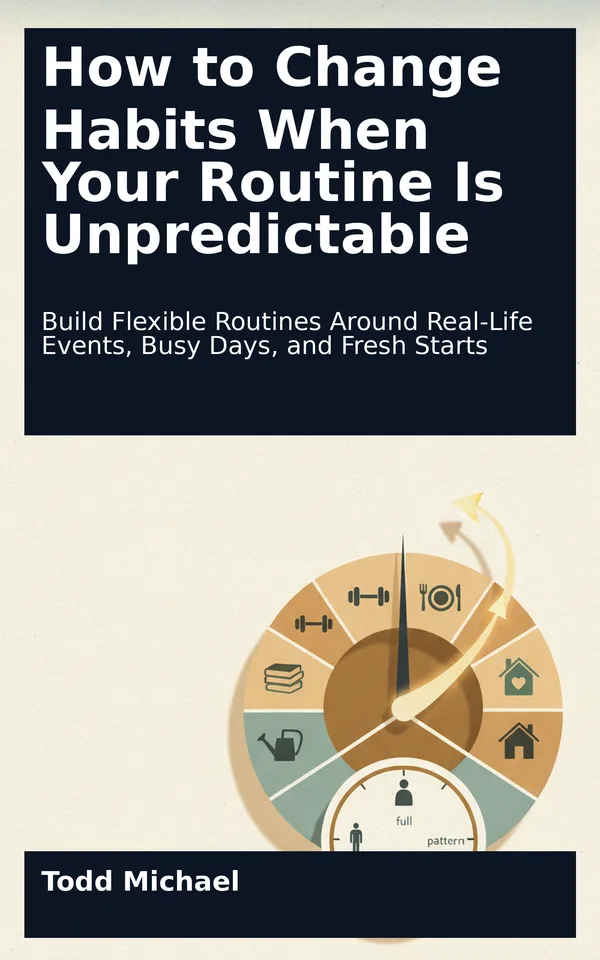
89. How to Change Habits When Your Routine Is Unpredictable
Best for: readers who want to think clearly and build better relationships.
A habit does not have to happen at 6 a.m. to count. If your shifts change, family needs interrupt your plans, or no two days look alike, a fixed routine can be difficult to maintain. This book offers another way. Learn to connect a habit to an event that already happens, such as finishing a…
90. How to Prepare for Alzheimer's Care
Best for: readers who want to think clearly and build better relationships.
If you're wondering how to prepare for alzheimer's, start with the conversations and choices that matter to your family. This guide helps you plan for future care while including the person living with Alzheimer's as fully as possible. You'll learn how to record personal preferences, identify trusted decision-makers, organize important information, and begin estimating the…
91. How to Survive a Housing Crisis as a Single Mom
Best for: readers who want to think clearly and build better relationships.
When your housing is uncertain, knowing what to do first can feel impossible—especially when your children are looking to you for reassurance. This practical guide helps you slow the rush of decisions and focus on the next manageable step. Learn how to assess your family's immediate needs, identify time-sensitive concerns, and gather essential documents even…
92. Make Habits Easier to Find
Best for: readers who want to think clearly and build better relationships.
If you've ever searched for habits how to change and found advice that asks you to try harder, this book offers a different place to begin: look around you. The things you see, where you put them, and the places you pass through can make an action easy to start—or easy to overlook. Make Habits…
93. Make Room for Confidence
Best for: readers who want to think clearly and build better relationships.
Being new at something can feel uncomfortable, especially when you expect yourself to know more already. Make Room for Confidence offers written guided meditations for adults returning to the classroom, training for a new role, or learning a skill simply because they want to. Inside, you'll find practices for arriving as a beginner, asking questions,…
94. Make Space After Caregiving
Best for: readers who want to think clearly and build better relationships.
What happens when the role that shaped your days changes or ends? Whether caregiving has shifted because of a death, a move, recovery, or a change in responsibilities, you may be left with unfamiliar time, complicated feelings, and questions about who you are now. Make Space After Caregiving offers a compassionate place to begin. Through…
95. Mind Reset
Best for: readers who want to think clearly and build better relationships.
You do not need a silent retreat or a perfect morning routine to practice mindfulness. You can begin in the ordinary moments when stress tends to take over: before opening your inbox, after a difficult conversation, or as you prepare for bed. Mind Reset: 30 Days of Calm offers one approachable lesson and exercise for…
96. Mindfulness Guided Breathing by Daylight
Best for: readers who want to think clearly and build better relationships.
A patch of morning sun, a bright window at midday, or the softening light of afternoon can be an invitation to pause. You don't need a special room, a perfect routine, or a different way of breathing. Mindfulness Guided Breathing by Daylight offers brief seated and standing practices that help you notice a few natural…
97. Mindfulness Guided Meditation for Grief
Best for: readers who want to think clearly and build better relationships.
Grief can change from hour to hour. You may feel sadness, anger, numbness, relief, or something you cannot name. Whatever is present, you deserve room to meet it without judgment. Mindfulness Guided Meditation for Grief offers a gentle collection of written practices you can read slowly, return to, or set aside whenever you need. Choose…
98. Mindfulness Guided Meditation for Restless Minds
Best for: readers who want to think clearly and build better relationships.
Does meditation sound appealing until someone asks you to sit still and focus on your breath? There are other ways to practice paying attention. Mindfulness Guided Meditation for Restless Minds offers written practices built around walking, everyday sounds, and gentle movement. Follow a familiar path, listen to the changing sounds in a room, or notice…
99. Mindfulness Meditation for Better Listening
Best for: readers who want to think clearly and build better relationships.
You meant to listen. Then you started planning your reply, replaying a comment, or wondering what to say next. By the time your attention returned, you had missed part of the conversation. Mindfulness Meditation for Better Listening offers a gentle way to begin again. With short mindfulness meditation practices and realistic conversation examples, you'll learn…
100. Mindfulness and Anxiety Around Health News
Best for: readers who want to think clearly and build better relationships.
A single health headline can turn an ordinary morning into a spiral of worry. You may notice your heart racing, search for more information, and wonder whether a general warning applies to you. This guide offers another way to meet that moment. Mindfulness and Anxiety Around Health News helps you recognize physical reactions and anxious…
101. Mindfulness and Anxiety in Social Situations
Best for: readers who want to think clearly and build better relationships.
Do you spend conversations wondering how you sound, what to say next, or whether someone noticed your nerves? You are not alone—and you do not have to wait until anxiety disappears to take part. Mindfulness and Anxiety in Social Situations offers a practical way to notice anxious predictions without letting them take over your attention.…
102. Mindfulness and Anxiety in Waiting Rooms
Best for: readers who want to think clearly and build better relationships.
The waiting room can make five minutes feel like an hour. A delayed appointment, an unfamiliar test, or an unanswered message about results can send your mind searching for explanations you don't yet have. Mindfulness and Anxiety in Waiting Rooms offers a gentler way to meet those uncertain moments. Written for readers searching for practical…
103. Mindfulness at the Edge of Boredom
Best for: readers who want to think clearly and build better relationships.
The line is barely moving. Your break has just begun. You are sitting at home with nothing pressing to do—and already your hand is reaching for something to fill the space. What if boredom were not a problem to fix, but a moment worth noticing? This mindfulness guide offers brief, approachable attention practices for the…
104. Mindfulness en Español para Días Ocupados
Best for: readers who want to think clearly and build better relationships.
¿Te gustaría prestar más atención al presente, pero sientes que tu agenda no deja espacio para una práctica complicada? Este libro de mindfulness en español te ofrece una forma sencilla y flexible de empezar, incluso si nunca has meditado. Descubrirás cómo observar la respiración sin forzarla, reconocer sensaciones corporales y llevar una atención amable a…
105. Mindfulness en Español para el Duelo
Best for: readers who want to think clearly and build better relationships.
Cuando alguien muere, el duelo puede aparecer en una conversación, al despertar o en medio de un día aparentemente normal. Tal vez sientas tristeza, rabia, alivio, cansancio o emociones difíciles de nombrar. No tienes que experimentarlas de una manera determinada. Mindfulness en Español para el Duelo reúne prácticas breves de atención y preguntas de reflexión…
106. Mindfulness en Español
Best for: readers who want to think clearly and build better relationships.
Al terminar el día, ¿te cuesta dejar atrás las tareas, los pensamientos o el ritmo de la tarde? Este libro de mindfulness en español te invita a explorar la transición hacia la noche con prácticas breves y flexibles, sin exigirte que vacíes la mente ni que duermas de una manera determinada. Aprenderás a observar sonidos,…
107. Mindfulness for Beginners with Busy Days
Best for: readers who want to think clearly and build better relationships.
You don't need an empty calendar or a silent room to begin paying attention. Mindfulness for Beginners with Busy Days shows you how to notice what's happening within and around you while you're already washing your hands, eating lunch, walking to the car, or waiting for a meeting to start. Each chapter offers approachable practices…
108. Mindfulness for Diabetics Between Appointments
Best for: readers who want to think clearly and build better relationships.
Living with diabetes can involve a steady stream of routines, reminders, and decisions. Even when you know what you need to do, you may feel frustrated, worn down, or hard on yourself. Those feelings deserve attention, too. Mindfulness for Diabetics Between Appointments offers brief practices to help you pause and notice what is happening without…
109. Mindfulness for Diabetics at Mealtimes
Best for: readers who want to think clearly and build better relationships.
Meals can carry extra pressure when you live with diabetes. Alongside the practical demands of your care plan, you may find yourself rushing, second-guessing your choices, or losing touch with the experience of eating. Mindfulness for Diabetics at Mealtimes offers a gentler place to begin. Through brief exercises and relatable situations, you’ll explore how to…
110. Mindfulness for Teens Facing Change
Best for: readers who want to think clearly and build better relationships.
A new school or a different home can make even ordinary days feel unfamiliar. You might miss people, feel awkward in new places, or be tired of hearing that everything will work out. You don't have to be excited about change to find ways to get through it. This mindfulness workbook for teens offers short…
111. Mindfulness in Plain Language
Best for: readers who want to think clearly and build better relationships.
If you have searched for a mindfulness definition and found more jargon than clarity, this book offers a different place to begin: with what you can hear, touch, and see. Mindfulness in Plain Language explores attentive awareness through familiar experiences. Listen to a favorite song and notice what happens when your attention wanders. Handle an…
112. Mindfulness in Recovery From a Breakup
Best for: readers who want to think clearly and build better relationships.
A breakup can make ordinary moments feel unfamiliar: waking up alone, hearing a song, or reaching for your phone. You don't have to force yourself to feel better or follow someone else's timeline. Mindfulness in Recovery From a Breakup offers practical attention exercises and reflection prompts for meeting emotional waves as they arise. You'll explore…
113. Mindfulness in Recovery From a Sports Injury
Best for: readers who want to think clearly and build better relationships.
An injury can interrupt more than a season. It can change your routines, test your patience, and leave you wondering who you are when you cannot move through life as usual. Mindfulness in Recovery From a Sports Injury offers a place to pause and put those experiences into words. Through guided reflections and written mindfulness…
114. Mindfulness in Recovery from Substance Use
Best for: readers who want to think clearly and build better relationships.
An urge can arrive in the middle of an ordinary day. So can frustration, loneliness, or an invitation that puts your recovery plans to the test. What can you do in the next few moments? This mindfulness in recovery book offers practical ways to notice what is happening without treating every thought or feeling as…
115. Mindfulness
Best for: readers who want to think clearly and build better relationships.
What happens between feeling criticized and saying something you regret? Often, your body notices the conflict before your mind has caught up: a tight jaw, a quickened heartbeat, or an urge to interrupt. If you have searched for “mindfulness how to practice” in the middle of real life, this guide brings the skill into ordinary…

116. New Dad Know-How for Solo Baby Care
Best for: readers who want to think clearly and build better relationships.
Your baby is awake, your partner is out, and you're in charge. What do you do first? New Dad Know-How for Solo Baby Care gives you a practical starting point for the hours when it's just you and your baby. Whether you're searching for “new dad how to” guidance before your first solo afternoon or…
117. New Dad, New Team
Best for: readers who want to think clearly and build better relationships.
Being a new dad means more than learning how to change a diaper. It also means figuring out who gets up at night, who remembers the next appointment, and how to keep the household moving when both parents are exhausted. New Dad, New Team helps you and your co-parent turn unspoken expectations into practical agreements.…

118. New Dad, Night Shift
Best for: readers who want to think clearly and build better relationships.
Nighttime with a newborn can feel like a relay race where nobody knows when to hand off. For a new dad, the question isn't just how to help—it's how to build a plan that gives your baby attentive care and gives both parents a chance to rest. New Dad, Night Shift turns feeds, diaper changes,…
119. New Dad, Strong Connection
Best for: readers who want to think clearly and build better relationships.
You don't need perfect instincts, endless free time, or a baby who smiles on cue to begin building a relationship. You need opportunities to notice, respond, and return—and those opportunities can fit into the life you already have. New Dad, Strong Connection gives you practical ways to get to know your baby through the first…

120. New Dad
Best for: readers who want to think clearly and build better relationships.
You can prepare for a baby and still find yourself facing a situation you never expected. An unplanned hospital stay, a feeding plan that changes, or an earlier-than-expected trip home can leave a new dad wondering what to do first. New Dad: How to Handle the Unexpected gives you a practical way to respond without…
121. New Dad
Best for: readers who want to think clearly and build better relationships.
You know a baby is coming. But what should you actually do before the big day? If you have searched for "new dad how to prepare for baby," this guide gives you a practical place to start. Work through the decisions that can make the transition feel more manageable: what supplies to buy, how to…
122. Overthinking a Career Decision
Best for: readers who want to think clearly and build better relationships.
You have choices to make, but every answer seems to raise another question. Should you change careers, pursue a promotion, or go back to school? How can you make a responsible decision when you cannot know exactly where it will lead? Overthinking a Career Decision helps you move from mental loops to useful action. This…
123. Parenting Books for the Hard Questions
Best for: readers who want to think clearly and build better relationships.
When your child asks an unexpected question about their body, do you know what to say? You don't need a perfect speech. You need honest words, a calm approach, and the confidence to keep listening. Parenting Books for the Hard Questions helps parents and caregivers talk with school-age children about body parts, personal boundaries, permission,…
124. Parenting Guidelines for Kids With Two Languages
Best for: readers who want to think clearly and build better relationships.
Looking for parenting guidelines that make space for both of your family’s languages without adding pressure to an already busy day? Parenting Guidelines for Kids With Two Languages offers a flexible, connection-first approach to raising children around two languages. Learn how to bring both languages into meals, errands, stories, games, and the small conversations that…
125. Parenting Guidelines for School Refusal
Best for: readers who want to think clearly and build better relationships.
When getting to school becomes a daily struggle, it can be hard to know what to ask, what to record, or whom to involve. These parenting guidelines offer a compassionate starting point for families facing school refusal—without assuming there is one cause or one solution. Learn how to listen when your child cannot easily explain…
126. Parenting Is Weird When Kids Ask About Bodies
Best for: readers who want to think clearly and build better relationships.
Parenting is weird when a perfectly ordinary afternoon suddenly includes a question about genitals, babies, or why someone’s body looks different. You don’t need a perfect speech. You need a calm place to start. This practical guide helps you answer children’s body questions honestly, briefly, and without shame or confusing euphemisms. Learn how to ask…

127. Parenting Is Weird When Kids Tell Family Secrets
Best for: readers who want to think clearly and build better relationships.
Your child has just announced a family detail to a room full of people. You want to disappear—but you also want your child to know they can always come to you when something feels wrong. Parenting is weird, especially when you're trying to explain the difference between privacy and a secret that shouldn't be kept.…
128. Parenting Is Weird at the Playground
Best for: readers who want to think clearly and build better relationships.
If parenting is weird, the playground is where it gets wonderfully, publicly complicated. One child is guarding the slide, another wants the truck your child brought from home, and a caregiver nearby has a very different idea of when adults should step in. This practical, reassuring guide helps you handle those moments without expecting young…
129. Parenting Styles in Everyday Life
Best for: readers who want to think clearly and build better relationships.
What does your parenting style look like when shoes are missing, a child says no, or a simple decision becomes an argument? Parenting Styles in Everyday Life brings the familiar labels down to earth. Through relatable family situations, you’ll explore how different approaches to limits, listening, and decision-making can shape everyday interactions—and how your own…
130. Parenting Teenagers Through High School Course Choices
Best for: readers who want to think clearly and build better relationships.
Course selection can bring big questions to the kitchen table: Is this class required? How much homework is too much? What happens if your teenager changes direction? Parenting teenagers through these decisions does not have to mean chasing the most impressive schedule. This guide helps you and your teen understand graduation requirements, compare course options,…
131. Parenting Teenagers Through Learning Differences
Best for: readers who want to think clearly and build better relationships.
Parenting teenagers can be complicated when school demands collide with a learning difference. You want to help, but you also want your teen to understand what works for them and feel able to ask for it. Parenting Teenagers Through Learning Differences offers a practical path from doing everything for your teen to working alongside them.…

132. Parenting Teenagers in a Digital World
Best for: readers who want to think clearly and build better relationships.
Parenting teenagers can feel like negotiating a world that changes faster than the family rules. How much privacy does your teen need? When should gaming end for the night? And will your child come to you if something upsetting happens online? This practical guide helps you work through those questions together. Instead of offering a…
133. Parenting Teens Through Everyday Conflict
Best for: readers who want to think clearly and build better relationships.
The curfew has passed. Your teen says the rule is unfair. You want an honest answer, but the conversation is already turning into an argument. Parenting teens can bring a steady stream of difficult moments, from unexplained secrecy and missed curfews to disagreements over rules and requests for more freedom. This practical guide helps you…
134. Parenting Teens Through the Friendship Years
Best for: readers who want to think clearly and build better relationships.
When a friendship changes overnight, a group chat turns cold, or your teen starts making choices to fit in, it can be hard to know what to say—and even harder to know when to step back. Parenting Teens Through the Friendship Years offers a practical approach to parenting teens without managing their social lives for…
135. Parenting Teens Toward Independence
Best for: readers who want to think clearly and build better relationships.
How much freedom is your teen ready for—and how do you step back without stepping away? Parenting teens can feel like a daily balancing act between protecting the child you know and preparing the young adult they are becoming. This practical guide offers a gradual approach: choose a skill, agree on a manageable responsibility, and…
136. Parenting Teens and Tweens Through Anxiety
Best for: readers who want to think clearly and build better relationships.
When your child is anxious, should you offer reassurance, encourage them to face the situation, or step in and make the problem disappear? Parenting teens and tweens through anxious moments rarely comes with an obvious answer. This compassionate, practical guide helps you listen without minimizing what your child feels and respond without turning every conversation…
137. Parenting Teens and Tweens Through Puberty
Best for: readers who want to think clearly and build better relationships.
Puberty can bring big changes, unexpected questions, and conversations you may not feel ready to start. You don't need perfect answers to be a trusted guide—you need useful information, a willingness to listen, and words that fit your child's stage of development. Parenting Teens and Tweens Through Puberty helps you talk about changing bodies, hygiene,…
138. Parenting Teens and Tweens Through Social Exclusion
Best for: readers who want to think clearly and build better relationships.
When your child is left out of a group chat, a party, or the lunch table, knowing how to help can feel as painful as watching it happen. Should you step in, call the school, or give your child space to work things out? Parenting Teens and Tweens Through Social Exclusion offers a thoughtful starting…
139. Parenting Today's Teens Through First Relationships
Best for: readers who want to think clearly and build better relationships.
A first crush can bring excitement, uncertainty, and questions your teen may not know how to ask. As a parent, you want to offer guidance without turning every conversation into a lecture—or making your teen wish they had stayed quiet. Parenting Today's Teens Through First Relationships offers a practical, respectful approach to talking about attraction,…
140. Parenting Today's Teens Through Grief
Best for: readers who want to think clearly and build better relationships.
When a teenager is grieving, silence can feel just as worrying as an outburst. You may wonder what to say, whether to keep routines in place, and how to tell if your teen needs more help. Parenting Today's Teens Through Grief offers a compassionate, practical guide for caregivers navigating loss alongside their teens. Learn how…

141. Parenting Today's Teens With Shared Screen Agreements
Best for: readers who want to think clearly and build better relationships.
Parenting today's teens can make every notification feel like the start of another negotiation. How much access is reasonable? Who pays for an accidental purchase? When does checking a device protect your teen, and when does it undermine trust? This practical guide helps you work through those questions together. You’ll learn how to start a…
142. Parenting Your Teenage Daughter Through Body Image Pressures
Best for: readers who want to think clearly and build better relationships.
When your daughter criticizes her appearance, it can be hard to know whether to reassure her, ask questions, or give her space. This guide offers practical parenting tips for teenage daughter conversations when body image pressures show up at home, at school, or online. You'll learn how to open a conversation without turning her body…
143. Parenting for Beginners When Caregivers Disagree
Best for: readers who want to think clearly and build better relationships.
You trust someone to care for your child, but you do not always agree on how things should be done. Does every difference need a discussion? What happens when a request is ignored—or when the person helping you feels criticized? Parenting for Beginners When Caregivers Disagree offers a practical path between controlling every detail and…
144. Parenting for Beginners
Best for: readers who want to think clearly and build better relationships.
Leaving home with a baby can make even a short walk feel like a major expedition. What should you pack? Where will you feed or change your baby? And what happens if the plan falls apart halfway there? This parenting for beginners book offers a practical way to make everyday outings feel more manageable. Start…
145. Parenting for Beginners
Best for: readers who want to think clearly and build better relationships.
Who remembers the next appointment? Who notices the diapers are running low? And who gets to rest when the baby finally sleeps? The work of raising a child includes far more than the tasks you can see. Parenting for Beginners: Sharing the Work helps new parents talk about that work before resentment becomes the household…
146. Parenting for Beginners
Best for: readers who want to think clearly and build better relationships.
Looking for a parenting for beginners book that makes the feeding conversation feel less overwhelming? Start here. Feeding a baby can bring up practical questions, strong opinions, and more work than one person expected. This reassuring guide helps new parents understand breastfeeding or chestfeeding, expressed milk, formula feeding, combination feeding, and the eventual introduction of…
147. Parenting for Beginners
Best for: readers who want to think clearly and build better relationships.
Is that little fist a hunger cue, a sign of tiredness, or simply something your baby likes to do? When you’re new to caregiving, even ordinary moments can feel like a guessing game. Parenting for Beginners: Understanding Baby's Cues offers a calm, practical way to observe your baby without expecting yourself to have all the…
148. Parenting for Beginners
Best for: readers who want to think clearly and build better relationships.
A tiny baby, a tub of water, and a surprisingly big question: Where do you begin? Parenting for Beginners: Your Baby's First Bath gives you a calm, practical plan for one of early parenthood's most nerve-racking firsts. Learn how to prepare your space, gather what you need, check the water, and keep a secure hold…
149. Positive Discipline After a Child Hurts Someone
Best for: readers who want to think clearly and build better relationships.
Your child has hurt someone. In the moment, you may feel shocked, embarrassed, angry, or unsure whom to help first. You need a way to protect everyone without turning the incident into a lesson in shame. Positive Discipline After a Child Hurts Someone gives you a clear, compassionate response for difficult moments and the days…
150. Positive Discipline Guidelines for Rough Play
Best for: readers who want to think clearly and build better relationships.
When does playful wrestling cross the line? The answer is not always obvious, especially when children are laughing, moving fast, or reluctant to speak up. Positive Discipline Guidelines for Rough Play gives parents a practical way to notice whether everyone is still enjoying the game and to step in before someone gets hurt. You’ll find…
151. Positive Discipline Guidelines for School-Age Defiance
Best for: readers who want to think clearly and build better relationships.
When every request seems to become an argument, it can be hard to know whether to stand firm, offer help, or step back. This practical guide offers positive discipline guidelines for parents and caregivers navigating persistent refusal in children ages 6–12. Learn to look beyond the immediate behavior for possible sources of difficulty, including stress,…
152. Positive Discipline When Kids Lie
Best for: readers who want to think clearly and build better relationships.
You discover the broken lamp, the hidden homework, or the story that doesn't quite add up. What you say next can shape whether your child feels safe enough to tell you more. Positive Discipline When Kids Lie offers practical positive discipline guidelines for parents of school-age children who want to respond without shame, threats, or…
153. Positive Discipline When Mornings Go Wrong
Best for: readers who want to think clearly and build better relationships.
The clock is ticking, one shoe is missing, and your child has decided that getting dressed is negotiable. If school-day mornings leave everyone frustrated, you don't need another lecture about being more organized. You need a plan for what to say and do when the plan falls apart. Positive Discipline When Mornings Go Wrong gives…
154. Positive Discipline Without the Power Struggle
Best for: readers who want to think clearly and build better relationships.
You ask your child to start homework, put away the dishes, or leave the playground. They say no. Suddenly, a simple request has become a standoff. Positive Discipline Without the Power Struggle offers a practical way to respond without resorting to threats or giving up necessary limits. Written for parents and caregivers of children roughly…
155. Positive Discipline for Preschoolers Who Say No
Best for: readers who want to think clearly and build better relationships.
Shoes are waiting by the door. Breakfast is getting cold. And your preschooler has one answer for everything: “No.” If everyday requests are turning into standoffs, this guide offers a calmer way forward. Written for parents and caregivers looking for positive discipline for preschoolers, it explains why refusal is common at this age and how…
156. Positive Discipline for Preschoolers in Public
Best for: readers who want to think clearly and build better relationships.
The groceries are half paid for, your preschooler is on the floor, and strangers are watching. What now? This practical guide to positive discipline for preschoolers helps you face public meltdowns without relying on shame, threats, or perfect parenting. You’ll learn how to set realistic expectations before an outing, notice early signs of overwhelm, and…
157. Practice Without a Timer
Best for: readers who want to think clearly and build better relationships.
If you have searched for “mindfulness how to practice” and found instructions that make you feel you need a quiet room, a cushion, and a timer, this book offers another place to begin. Practice Without a Timer introduces mindfulness through ordinary experiences: hearing a sound come and go, feeling a surface beneath your hand, or…
158. Raising a Teenage Daughter Who Can Speak Up
Best for: readers who want to think clearly and build better relationships.
When your daughter disagrees, do you hear her out—or find yourself preparing your response? Giving a teenager room to speak up doesn't mean surrendering your role as a parent. It means making space for honest conversation while keeping expectations clear and respectful. If you're looking for parenting tips for teenage daughter challenges, this practical guide…
159. Reclaiming the Present Moment Outdoors
Best for: readers who want to think clearly and build better relationships.
You do not need a mountain view, a long hike, or a perfectly quiet mind to reconnect with the world around you. A chair by the front door, a bench near a bus stop, or a sheltered balcony can become a place to pause and notice. Reclaiming the Present Moment Outdoors offers short, seated practices…
160. Room for Mistakes
Best for: readers who want to think clearly and build better relationships.
What happens when being capable becomes the price of feeling worthy? A missed promotion, a financial setback, or an ordinary mistake can feel much bigger when you have learned to judge yourself by what you achieve. Room for Mistakes helps men examine those pressures without asking them to abandon ambition or pretend success does not…
161. School Meetings That Work for Your Child
Best for: readers who want to think clearly and build better relationships.
A school meeting can feel like a lot to manage: limited time, unfamiliar terms, and a concern you want to explain without losing sight of your child. This practical guide helps you prepare for the conversation and leave knowing what happens next. Learn how to sort observations from assumptions, choose your most important questions, and…

162. Self Esteem After a Setback
Best for: readers who want to think clearly and build better relationships.
When something you hoped for falls apart, it can be hard to keep the outcome from becoming a verdict on who you are. A rejection, mistake, breakup, or missed goal may leave you questioning your abilities and your self esteem—but what happened is only part of your story. Self Esteem After a Setback offers a…
163. Self Esteem Guided Meditation for Speaking Up
Best for: readers who want to think clearly and build better relationships.
You have a thought to share, but by the time you find the words, the moment has passed. Or perhaps you speak up and spend the rest of the day replaying what you said. Self Esteem Guided Meditation for Speaking Up offers a gentler way to prepare. Through short written practices, you can notice self-doubt…
164. Self Esteem at Work
Best for: readers who want to think clearly and build better relationships.
A short comment from your manager can replay in your mind for days. A colleague’s success can make you question your own value. And even when your work goes well, you may struggle to give yourself credit. Self Esteem at Work offers a practical way to make sense of those moments. Through realistic workplace examples,…

165. Self Esteem for Men Who Struggle to Ask for Help
Best for: readers who want to think clearly and build better relationships.
You can be capable, dependable, and still need help. Yet for many men, reaching out feels harder than carrying the problem alone. Self Esteem for Men Who Struggle to Ask for Help offers a practical way to examine the beliefs that make support feel like failure. Instead of telling you to simply open up, it…

166. Self Esteem for Men in Midlife
Best for: readers who want to think clearly and build better relationships.
What happens to your confidence when the roles you have relied on begin to change? For many men, midlife brings questions that achievement alone cannot answer. A career setback, a changing family role, or a strained relationship can expose an uncomfortable belief: that your worth depends on what you provide, accomplish, or endure without complaint.…
167. Self Esteem
Best for: readers who want to think clearly and build better relationships.
When someone compliments you, do you immediately explain why they are wrong, credit everyone else, or change the subject? If you have searched for “self esteem how to improve,” this book offers a focused place to begin: your everyday encounters with praise. Explore why positive feedback can feel awkward, suspicious, or undeserved—and learn to notice…
168. Self Esteem
Best for: readers who want to think clearly and build better relationships.
If you have searched for “self esteem how to improve” and found advice that simply tells you to love your reflection, this book offers a different place to begin. You do not have to feel positive about your appearance every day to build a kinder relationship with yourself. Through practical reflection exercises, you'll explore the…
169. Self Esteem
Best for: readers who want to think clearly and build better relationships.
What do you want for dinner? Which invitation would you rather accept? For many people, even small questions can trigger a rush to figure out what everyone else wants first. If you have searched for “self esteem how to improve,” this book offers a place to begin: the ordinary choices you make every day. Rather…
170. Single Mom, Dating Again
Best for: readers who want to think clearly and build better relationships.
As a single mom, you may want companionship and still wonder how dating could affect your children. When is the right time to begin? What should you tell your kids? And how do you know whether a new relationship is ready for an introduction? Single Mom, Dating Again helps you consider those questions at a…
171. Single Mom, Shared Care
Best for: readers who want to think clearly and build better relationships.
Finding child care can feel like solving a puzzle with pieces that keep moving. For a single mom, the questions are especially practical: Who can cover an early shift? What happens when the center closes? And how do you know whether a caregiver is the right fit for your child? Single Mom, Shared Care helps…
172. Single Mom, Two Jobs, One Family
Best for: readers who want to think clearly and build better relationships.
If you're a single mom who works two jobs, even a small schedule change can affect everyone who helps care for your children. This guide offers practical ways to make the moving parts more manageable without expecting you to do more with time you don't have. Learn how to set up clear caregiver handoffs, share…
173. Single Mom
Best for: readers who want to think clearly and build better relationships.
When your family changes, even ordinary decisions can suddenly feel enormous. Where will everyone live? What should you tell the kids? Who can help you understand your options? If you’re searching for “single mom how to survive,” this guide offers a place to begin. It helps you sort immediate priorities, make workable household decisions, answer…
174. Single Moms and Their Young Protectors
Best for: readers who want to think clearly and build better relationships.
Does your child check on you when you seem sad, worry about family bills, or act as if keeping you safe is their job? Their caring heart is something to treasure—but they deserve the freedom to be a child, too. Single Moms and Their Young Protectors offers a compassionate way to notice when family roles…

175. Steady on the Page
Best for: readers who want to think clearly and build better relationships.
Graduation can bring freedom, possibility, and a surprising number of questions. What if the job search takes longer than expected? What happens when friendships change? How do you find a rhythm when the structure you knew is gone? Steady on the Page offers written meditation scripts for the everyday moments that can feel unsteady after…
176. Stress Relief Between Meetings
Best for: readers who want to think clearly and build better relationships.
When one meeting ends and the next demand is already waiting, finding time to decompress can feel impossible. Stress Relief Between Meetings offers a different approach: use the small breaks you actually have to notice tension, reset your attention, and decide what deserves your energy next. Inside, you'll find flexible breathing and movement practices, quick…
177. Stress Relief Guided Meditation Scripts for Nurses
Best for: readers who want to think clearly and build better relationships.
When a shift ends, it isn't always easy to leave the day behind. These guided meditation scripts offer nurses a gentle way to pause, notice tension, and reconnect with the place they are in—without adding another demanding routine to the day. Whether you have a few quiet minutes or only a brief pause, you can…
178. Stress Relief Guided Meditation Scripts for Teachers
Best for: readers who want to think clearly and build better relationships.
You spend the school day attending to everyone else. When do you get a moment to attend to yourself? Stress Relief Guided Meditation Scripts for Teachers offers short, private practices for the spaces between lessons and the transition home. Whether you have a quiet classroom, a few minutes in your car, or a chair at…
179. Stress Relief Guided Meditation Scripts for Volunteers
Best for: readers who want to think clearly and build better relationships.
You give your time and attention to others. What helps you leave your volunteer shift behind when it ends? Stress Relief Guided Meditation Scripts for Volunteers offers short, text-based practices for that in-between moment—whether you are closing a community center, leaving a shelter, or finishing a remote support shift. If you have searched for a…
180. Stress Relief Guided Meditation for Crowded Commutes
Best for: readers who want to think clearly and build better relationships.
A delayed train, a crowded platform, and a noisy ride can make the journey home feel longer than the workday. This collection of stress relief guided meditation practices offers a practical way to meet those moments with a little more steadiness. Inside, you'll find short written meditations for waiting, boarding, riding, handling delays, and transitioning…
181. Stress Relief for Beginners in Noisy Places
Best for: readers who want to think clearly and build better relationships.
A crowded train, a loud café, or a neighbor’s television can make it hard to think clearly. When quiet is out of reach, what can you do? Stress Relief for Beginners in Noisy Places offers practical ways to notice how sound affects your attention and choose a response that fits your situation. You’ll learn to…
182. Stress Relief for Unpredictable Workdays
Best for: readers who want to think clearly and build better relationships.
When your hours change every week, a routine built around the same bedtime, morning ritual, or lunch break can feel impossible to maintain. Stress relief should fit your life—not the other way around. Stress Relief for Unpredictable Workdays offers practical ways to pause, recover, and prepare without depending on a fixed daily schedule. Learn to…
183. Stress Relief for the Long Wait
Best for: readers who want to think clearly and build better relationships.
You have sent the application, completed the appointment, or asked the question. Now the decision belongs to someone else—and checking your inbox again will not make it arrive sooner. Stress Relief for the Long Wait offers a practical way to live through uncertain stretches without putting your whole life on hold. If you are searching…
184. Stress Relief for the Perfectionist
Best for: readers who want to think clearly and build better relationships.
Does a short email become an hour of editing? Does a simple household task expand until it consumes your evening? High standards can be useful, but applying them to every detail can leave you exhausted before the important work is done. Stress Relief for the Perfectionist offers a practical way to notice when precision is…
185. Stress Relief for the Sandwich Generation
Best for: readers who want to think clearly and build better relationships.
When a parent needs a ride, a child needs your attention, and work is waiting, even deciding what comes first can feel exhausting. If you have searched for “stress relief how to” make family life more manageable, this book offers a practical place to start. Stress Relief for the Sandwich Generation helps you see the…
186. Stress Relief
Best for: readers who want to think clearly and build better relationships.
The guests have gone, but your mind is still racing—and the dishes are still waiting. If your search for “stress relief how to” led you here, you may know the peculiar exhaustion that follows a gathering: tired feet, a crowded kitchen, and conversations you can't stop replaying. Stress Relief: How to Recover After Hosting offers…
187. Stress Relief
Best for: readers who want to think clearly and build better relationships.
If your calendar is full but your mind never gets a break, another productivity trick may not be the answer. You may need a clearer picture of what you have agreed to carry—and a practical way to change it. Stress Relief: How to Reduce Stress From Too Many Commitments helps you take stock of obligations…
188. The After-Decision Overthinking Guide
Best for: readers who want to think clearly and build better relationships.
You made the decision. So why are you still arguing with yourself about it? Whether you are replaying a conversation, questioning a job move, or wondering if you chose the wrong path, hindsight can turn a finished choice into an endless mental debate. This overthinking guide helps you tell the difference between reflection that teaches…
189. The Aging Parents Checklist
Best for: readers who want to think clearly and build better relationships.
You have noticed a few changes, but where do you begin—and how do you help without taking over? The Aging Parents Checklist offers a thoughtful way to look at everyday life alongside your parent. Instead of guessing what might be needed, you can work through text-based checklists covering daily routines, rooms throughout the home, transportation,…
190. The Alzheimer's Guide to Planning a Day Program
Best for: readers who want to think clearly and build better relationships.
Finding a daytime program for a parent with Alzheimer's can raise a host of questions. What happens during the day? Can staff handle changing needs? What will the family actually pay? And how can you tell whether your parent feels comfortable there? The Alzheimer's Guide to Planning a Day Program offers a practical path through…
191. The Anxiety Guide to Uncertain Times
Best for: readers who want to think clearly and build better relationships.
When the future feels uncertain, checking one more time can seem like the responsible thing to do. But what happens when another search, another message, or another request for reassurance never feels like enough? The Anxiety Guide to Uncertain Times offers a practical way to understand the connection between uncertainty and worry. Rather than promising…
192. The Caregiving Guide to Medication Conversations
Best for: readers who want to think clearly and build better relationships.
Keeping track of medications can feel overwhelming when bottles, appointment notes, and daily routines don't seem to match. This caregiving guide helps you organize the information you need and bring clear questions to the people qualified to answer them. Learn how to build and update a medication list, prepare for appointments, describe possible side effects,…
193. The Caregiving Guide to Respite
Best for: readers who want to think clearly and build better relationships.
You know you need a break. But who can step in, what will it cost, and how can you leave without worrying about every detail? The Caregiving Guide to Respite helps you answer those questions one manageable decision at a time. Explore options ranging from help offered by relatives and friends to in-home services, adult…
194. The Caregiving Guide to Sharing the Work
Best for: readers who want to think clearly and build better relationships.
When one person becomes the default caregiver, even a loving family can struggle to share the work. Offers of help go unused, important tasks fall through the cracks, and resentment builds while everyone tries to keep up. The Caregiving Guide to Sharing the Work is a practical caregiving guide for turning good intentions into a…

195. The Clarity Blueprint
Best for: readers who want to think clearly and build better relationships.
The Clarity Blueprint
196. The Comparison Exit
Best for: readers who want to think clearly and build better relationships.
You can be proud of your life one moment and feel behind the next. A friend's promotion, a family milestone, or a few minutes online can turn someone else's news into a judgment about your own worth. The Comparison Exit helps you understand that reaction without shaming yourself for it. Through clear explanations and practical…
197. The Dementia Caregiver Daughter's Boundary Book
Best for: readers who want to think clearly and build better relationships.
When your parent has dementia, a ringing phone or one more request can carry the weight of love, worry, and exhaustion. You want to help—but you cannot be available every minute. The Dementia Caregiver Daughter's Boundary Book gives you practical language for setting limits without losing sight of your parent's dignity or your own needs.…
198. The Dementia Caregiver Daughter's Role at Work
Best for: readers who want to think clearly and build better relationships.
When your parent's dementia begins to collide with meetings, deadlines, and the demands of your job, it can be difficult to know what to say—or what to ask for. This practical guide helps you prepare before a workplace conversation, identify the scheduling changes that might make a difference, and decide how much personal information to…
199. The Dementia Caregiver Toolkit for Difficult Moments
Best for: readers who want to think clearly and build better relationships.
When a person living with dementia becomes frightened, refuses help, or wants to leave home, it can be hard to know what to do next. This dementia caregiver toolkit offers a calm, practical way to respond without assuming that every difficult moment has the same cause. Learn how to notice patterns, consider discomfort and unmet…
200. The Dementia Caregiver Toolkit for Medical Visits
Best for: readers who want to think clearly and build better relationships.
A medical visit can be difficult when you are trying to remember changes, ask the right questions, and help someone you love feel heard. This dementia caregiver toolkit gives you a practical way to prepare, participate, and follow through—one appointment at a time. Learn how to turn everyday observations into a useful symptom history, choose…
201. The Dementia Caregiver Toolkit for Shared Decisions
Best for: readers who want to think clearly and build better relationships.
When your parent has dementia, even an ordinary choice can raise difficult questions. How much information is helpful? When should you step in? And how can you tell whether your parent is comfortable with the decision? The Dementia Caregiver Toolkit for Shared Decisions offers practical ways to keep your parent's preferences at the center of…
202. The Dementia Caregiver's Guide to Personal Care
Best for: readers who want to think clearly and build better relationships.
When someone you love needs help bathing, dressing or using the bathroom, ordinary routines can suddenly feel complicated. You may worry about embarrassment, resistance or whether you are doing enough to keep them comfortable. This dementia caregiver guide offers practical, respectful ways to navigate personal care without losing sight of the person receiving it. Learn…
203. The Digital Detox Guide for Better Mornings
Best for: readers who want to think clearly and build better relationships.
Before your feet touch the floor, your phone can hand you a list of other people’s priorities. Notifications, headlines, and one more scroll compete for attention you may have wanted to spend elsewhere. But a better morning doesn’t require abandoning your device—or becoming unreachable to the people who depend on you. The Digital Detox Guide…
204. The Digital Detox Guide for News Overload
Best for: readers who want to think clearly and build better relationships.
You want to know what is happening in the world. You do not want the world demanding your attention every few minutes. The Digital Detox Guide for News Overload offers a practical alternative to both endless scrolling and tuning out completely. Rather than prescribing a blanket break from technology, this digital detox guide helps you…

205. The Digital Detox Starting Point
Best for: readers who want to think clearly and build better relationships.
You don't have to give up your favorite shows, games, or online discoveries to feel more in control of your time. You just need a starting point that fits your life. If you've searched for “digital detox how to start,” this practical guide offers a flexible alternative to all-or-nothing screen bans. You'll learn to notice…

206. The Everyday Anxiety Guide
Best for: readers who want to think clearly and build better relationships.
An unanswered message, an upcoming appointment, or a decision with no perfect answer can send your mind searching for certainty. When worry takes over, it can be harder to concentrate, make choices, or feel at ease in your body. The Everyday Anxiety Guide offers a practical starting point for understanding those reactions and responding differently.…
207. The Family Meeting for Aging Parents
Best for: readers who want to think clearly and build better relationships.
You know your family needs to talk about your parent's future. But who should start the conversation—and what happens when everyone has a different opinion? The Family Meeting for Aging Parents is an aging parents guide for turning uncertainty into productive, respectful conversations. Whether you're arranging a first meeting or trying again after a difficult…
208. The First Month with Aging Parents
Best for: readers who want to think clearly and build better relationships.
You have noticed a change: unopened mail, a missed appointment, a neglected meal, or a parent who no longer seems quite like themselves. You want to help, but you are not sure what matters most—or how to bring it up without causing hurt. The First Month with Aging Parents is an aging parents guide for…
209. The Five-Senses Meditation
Best for: readers who want to think clearly and build better relationships.
What if meditation began with noticing what is already around you? The Five-Senses Meditation offers text-guided practices that use sight, sound, touch, taste, and smell as anchors for attention. Whether you have a quiet moment at home or a few minutes between activities, you can choose a practice that suits your surroundings and your preferences.…
210. The Focus-Friendly Habits Guide
Best for: readers who want to think clearly and build better relationships.
You know what matters to you. Starting is another story—and returning after an interruption can feel harder still. The Focus-Friendly Habits Guide offers a practical way to build routines around real life. Instead of relying on perfect schedules or endless motivation, you’ll learn to notice what gets in your way and make the next step…
211. The Habits Guide for Night Shift Workers
Best for: readers who want to think clearly and build better relationships.
Working nights can make ordinary advice feel impossible. Eat breakfast at sunrise? Meet friends after work? Wind down when the rest of the household is getting started? The Habits Guide for Night Shift Workers offers a different starting point: your real schedule. Instead of asking you to copy a daytime routine, this practical habits guide…
212. The Habits Guide for Starting Over After a Disruption
Best for: readers who want to think clearly and build better relationships.
When life changes, the routines that once carried you through the day may stop working. You might have a different schedule, less energy, new responsibilities, or simply no clear place to begin. The Habits Guide for Starting Over After a Disruption is a practical habits guide for rebuilding everyday life without demanding an instant transformation.…
213. The Habits of Grace at Work
Best for: readers who want to think clearly and build better relationships.
A missed deadline. A tense conversation. A disappointment you carry home long after the workday ends. In moments like these, grace can feel easier to talk about than to practice. The Habits of Grace at Work offers Christian reflections and practical habits for meeting everyday workplace challenges with honesty, humility, and care. Rather than asking…
214. The Habits of the Household at Mealtime
Best for: readers who want to think clearly and build better relationships.
Mealtime can bring people together—but deciding what to eat, preparing it, and cleaning up afterward can also leave one person carrying more than their share. A workable routine starts with a conversation, not a perfect menu. The Habits of the Household at Mealtime helps you make the invisible work visible and invite everyone to participate.…
215. The Mindfulness Guide to Difficult Feedback
Best for: readers who want to think clearly and build better relationships.
A few words of criticism can stay with you for hours. You may defend yourself, agree too quickly, or replay the conversation long after it ends. What if you could pause and decide what the feedback actually deserves? The Mindfulness Guide to Difficult Feedback offers a practical way to meet uncomfortable comments with attention rather…
216. The Mindfulness Practice Lab for Teens
Best for: readers who want to think clearly and build better relationships.
What if mindfulness didn’t mean sitting still, clearing your mind, or getting everything right? The Mindfulness Practice Lab for Teens is a mindfulness workbook for teens who want to explore what helps them feel more aware and ready for the next part of their day. Try short exercises for noticing sensations, putting emotions into words,…
217. The New Dad Guide Book to Infant Health Visits
Best for: readers who want to think clearly and build better relationships.
You don't have to be a medical expert to be a valuable part of your baby's health visits. You just need a way to notice what's happening, ask clear questions, and keep track of what comes next. This new dad guide book helps you prepare for routine infant appointments without turning every day into a…
218. The New Dad Guide Book to the First Six Weeks
Best for: readers who want to think clearly and build better relationships.
Your baby is home, the days blur together, and suddenly the smallest jobs can feel like the biggest questions. How do you change a diaper without making a mess? What can you do when the baby won't settle? And how can you support your partner while they recover from birth? The New Dad Guide Book…
219. The New Dad How-To for Going Back to Work
Best for: readers who want to think clearly and build better relationships.
Going back to work after your baby arrives can raise a whole new set of questions: Who handles the next wake-up? What happens when childcare falls through? How do you stay involved when the workday runs late? The New Dad How-To for Going Back to Work turns those questions into conversations and workable plans. Instead…
220. The New Dad's Guide to Pregnancy Appointments
Best for: readers who want to think clearly and build better relationships.
You want to be there for your partner—but what should you actually do at a pregnancy appointment? The New Dad's Guide to Pregnancy Appointments helps you arrive prepared, understand common parts of prenatal care, and become a more thoughtful teammate. From the first visit through later checkups, you'll learn how to organize questions, make sense…
221. The New Dad's Guide to Pregnancy Changes
Best for: readers who want to think clearly and build better relationships.
Pregnancy can bring excitement, uncertainty, and changes neither of you expected. How can you show up as a supportive partner when the answers aren't always obvious? The New Dad's Guide to Pregnancy Changes follows the journey trimester by trimester, offering practical ways to listen, share the load, and make decisions together. You'll find conversation prompts…
222. The Notification Reset
Best for: readers who want to think clearly and build better relationships.
Your workday starts with a plan—then the alerts arrive. Messages, feeds, reminders, and quick checks can pull your attention in a dozen directions before lunch. But ignoring everything isn't realistic when colleagues, clients, or family may need you. The Notification Reset is a digital detox guide for people who need to stay connected while reclaiming…
223. The Older Parents Guide to Accepting Outside Help
Best for: readers who want to think clearly and build better relationships.
Bringing a home aide into a parent's life can raise questions that a schedule alone won't answer. Who decides how things are done? What stays private? And what happens if the first visit feels uncomfortable? The Older Parents Guide to Accepting Outside Help helps families prepare for these conversations before care begins. Together, you can…
224. The Older Parents Guide to Care at the End of Life
Best for: readers who want to think clearly and build better relationships.
When a parent is seriously ill, knowing what to ask can feel as difficult as knowing what to do. This older parents guide offers a calm starting point for families facing unfamiliar care choices and conversations they may have postponed. Learn how palliative care and hospice differ, what comfort-focused care can include, and how to…
225. The Older Parents Guide to Leaving Hospital
Best for: readers who want to think clearly and build better relationships.
Your parent is ready to leave the hospital—but are you ready for what comes next? This older parents guide helps families turn a stack of discharge papers into a workable plan for the days and weeks ahead. Whether your parent is returning home or moving to a rehabilitation or other care setting, you'll learn how…
226. The Overthinking Field Guide
Best for: readers who want to think clearly and build better relationships.
You said something awkward. The conversation moved on, but your mind didn't. If you keep revisiting a remark, reading into someone's expression, or wondering whether you should send one more message, The Overthinking Field Guide offers a practical way to respond. Instead of promising that you'll never feel uncomfortable again, it helps you recognize the…
227. The Overthinking Guide to Difficult Conversations
Best for: readers who want to think clearly and build better relationships.
You know you need to bring it up. But after drafting the perfect opening, imagining every possible reaction, and replaying what went wrong last time, you may feel less ready than when you started. The Overthinking Guide to Difficult Conversations helps you replace endless rehearsal with preparation you can actually use. Through practical prompts and…
228. The Overthinking Guide to Making Decisions Before the Deadline
Best for: readers who want to think clearly and build better relationships.
You have a deadline, several options, and more open tabs than answers. How do you make a choice without researching until the last possible minute? The Overthinking Guide to Making Decisions Before the Deadline gives you a practical way to move from uncertainty to action. You'll learn to define the choice in front of you,…
229. The Overthinking Guide to Making Decisions Together
Best for: readers who want to think clearly and build better relationships.
You have discussed the options, researched the details, and asked each other what you think—again. Yet the decision still feels unfinished. The Overthinking Guide to Making Decisions Together is an overthinking guide to making decisions when another person's needs matter, too. It offers a practical way to move from circular conversations toward a next step…

230. The Overthinking Guide to Open-Ended Projects
Best for: readers who want to think clearly and build better relationships.
Your idea matters to you. So why does every attempt to begin lead to another search, another possible direction, or another round of questions? The Overthinking Guide to Open-Ended Projects is for creators who want to make something without first figuring out everything. Unlike overthinking books focused mainly on everyday decisions, this guide follows one…
231. The Overthinking Guide to Unfinished Tasks
Best for: readers who want to think clearly and build better relationships.
You have thought about the task, made a plan, and checked the details—so why is it still unfinished? The Overthinking Guide to Unfinished Tasks helps you notice when preparation has stopped being useful and started keeping you stuck. Rather than asking you to eliminate doubt, this practical overthinking guide shows you how to work with…
232. The Overthinking Guided Journal for Creative Work
Best for: readers who want to think clearly and build better relationships.
Your work is ready to leave your hands. So why does sharing it feel so complicated? This overthinking guided journal offers writers, artists, and other creators a place to explore the thoughts that surface when an audience enters the picture. Rather than telling you to be fearless or publish everything, it helps you notice what…
233. The Paperwork Behind Caring for Aging Parents
Best for: readers who want to think clearly and build better relationships.
When aging parents need support, the first challenge may be finding the right information—and knowing who is allowed to use it. A missing insurance card, an unfamiliar bill, or an outdated contact list can make an already stressful moment harder. This practical guide helps you work with your parent to gather and organize essential records,…
234. The Parent Teen Guide to Driving Decisions
Best for: readers who want to think clearly and build better relationships.
Learning to drive brings freedom, responsibility, and plenty of questions for the whole family. How much practice is enough? When should a new driver carry friends? And what happens when an agreed rule is broken? The Parent Teen Guide to Driving Decisions gives families a practical way to work through those questions together. Inside, you'll…
235. The Parent Teen Guide to School Stress
Best for: readers who want to think clearly and build better relationships.
When school becomes a source of daily tension, it can be hard to know whether your teen needs a better plan, a listening ear, or more support. The Parent Teen Guide to School Stress helps you notice changes that may signal strain and start conversations without turning every evening into a homework battle. Together, you…
236. The Parenting Guide Book for Big Transitions
Best for: readers who want to think clearly and build better relationships.
When a child's world changes, parents often wonder what to say, how much to explain, and whether a difficult reaction is normal. This parenting guide book offers practical ways to help children feel informed, connected, and supported without promising that every change will be easy. Learn how to explain a move, a new school, separation,…
237. The Parenting Guide Book for Picky Eating
Best for: readers who want to think clearly and build better relationships.
Dreading another dinner-table standoff? You are not alone, and your child does not need to clear a plate for your family to begin enjoying meals again. The Parenting Guide Book for Picky Eating offers a reassuring, practical approach to selective eating that respects a child's appetite and developing preferences. You'll learn how predictable meal and…
238. The Parenting Guide to Sibling Rivalry
Best for: readers who want to think clearly and build better relationships.
Tired of settling the same argument before breakfast? This parenting guide offers a calmer, more practical way to respond when siblings clash—without deciding which child is always the problem or insisting everyone be best friends. Learn when to step in immediately, how to separate children safely, and what to say once everyone is ready to…
239. The Pause Before the Purchase
Best for: readers who want to think clearly and build better relationships.
You opened an app to check one thing. Ten minutes later, your cart is full—and you are not sure you needed any of it. The Pause Before the Purchase helps you understand the everyday forces behind unplanned spending, from shopping notifications and endless browsing to boredom, stress, and the desire for a quick reward. Instead…
240. The Positive Discipline Guide to Chores
Best for: readers who want to think clearly and build better relationships.
Tired of repeating yourself while the laundry piles up and nobody knows whose turn it is? This positive discipline guide helps you replace chore battles with clear teaching, useful routines, and family conversations about sharing the work. Start by choosing responsibilities that fit your child’s age and abilities. Then learn how to break a task…
241. The Positive Discipline Guide to Family Rules
Best for: readers who want to think clearly and build better relationships.
Family rules should make home life clearer—not turn every disagreement into a showdown. If you are looking for a positive discipline guide that is practical enough for an ordinary Tuesday, this book will help you choose a few rules that matter and put them into action with clarity and respect. Learn how to explain expectations…
242. The Positive Discipline Guide to Repair
Best for: readers who want to think clearly and build better relationships.
You lost your temper and yelled. Now what? The moments after a parenting mistake can feel awkward, especially when you want to apologize without excusing what happened or asking your child to make you feel better. This positive discipline guide offers a practical way forward: take responsibility, reconnect with your child, and prepare to respond…

243. The Quiet Exit
Best for: readers who want to think clearly and build better relationships.
Your phone lights up again. You care about the people in the chat, but keeping up with every message has started to feel like another job. If you have searched for “digital detox how to start,” The Quiet Exit offers a focused place to begin: the group conversations competing for your attention. Instead of asking…

244. The Relationship Blueprint
Best for: readers who want to think clearly and build better relationships.
The Relationship Blueprint
245. The Self Esteem Guided Journal for New Parents
Best for: readers who want to think clearly and build better relationships.
Becoming a parent can bring love, change, and questions about who you are now. This self esteem guided journal offers a gentle place to explore those questions without pressure to feel grateful, confident, or productive all the time. Through thoughtful prompts and brief check-ins, you’ll notice the strengths you already use, name needs that deserve…
246. The Single Mom Guide to Co-Parenting
Best for: readers who want to think clearly and build better relationships.
You cannot control what happens in your child's other home, but you can create a clearer plan for the decisions you share. This single mom guide offers practical ways to organize co-parenting without expecting every conversation to go smoothly. Learn how to build schedules around your child's real needs, write messages that stay focused, and…
247. The Single Mom Guide to a Family Support Network
Best for: readers who want to think clearly and build better relationships.
You don't have to do everything alone—but finding dependable help can feel like another job on an already impossible list. This single mom guide helps you turn the people and resources around you into a support network that fits your family's real life. Start by mapping the help you already have, then identify the gaps…
248. The Single Mom Guide to a Workable Week
Best for: readers who want to think clearly and build better relationships.
Some weeks, getting everyone fed, supervised, and where they need to be can feel like a full-time job on top of everything else. This single mom guide helps you make a practical plan for the week you actually have—not an ideal week with unlimited time, money, and help. Start by taking stock of your real…
249. The Stress Load Inventory
Best for: readers who want to think clearly and build better relationships.
When everything feels like too much, the answer may not be another habit to squeeze into your day. It may be a clearer picture of what you are already carrying. The Stress Load Inventory offers a practical approach to stress relief for people juggling work, home, relationships, and the countless tasks nobody sees. Instead of…
250. The Stress Relief Guided Journal for Caregivers
Best for: readers who want to think clearly and build better relationships.
When someone depends on you, it can be difficult to notice how much you are carrying—let alone find the words to ask for support. This stress relief guided journal gives you a place to pause, write honestly, and take one manageable step at a time. Inside, thoughtful prompts help you identify the tasks and situations…
251. The Stress Relief Guided Journal for Students
Best for: readers who want to think clearly and build better relationships.
When everything feels urgent, how do you decide what actually needs your attention? The Stress Relief Guided Journal for Students gives you a place to sort through school demands without adding another rigid routine to your schedule. Instead of asking you to simply do more, this stress relief guided journal helps you recognize what is…
252. The Toddler Bed Transition
Best for: readers who want to think clearly and build better relationships.
Is it time to move your little one from the crib to a toddler bed? The answer isn't always obvious—and the transition doesn't have to happen on someone else's schedule. The Toddler Bed Transition helps you weigh readiness, recognize when crib safety requires a change, and prepare a safer room before the first night. You'll…
253. The Toddler Bed at Grandma's House
Best for: readers who want to think clearly and build better relationships.
A first overnight away can bring excitement, nerves, and a surprising number of questions. Will your child settle in a toddler bed? Which parts of bedtime matter most? And what should Grandma—or another trusted caregiver—do if the evening takes an unexpected turn? The Toddler Bed at Grandma's House helps you prepare together without expecting a…
254. The Worry Window
Best for: readers who want to think clearly and build better relationships.
Does one small concern turn into a dozen what-if scenarios before you can finish your morning coffee? The Worry Window offers a practical way to give recurring concerns your attention without giving them your entire day. Instead of trying to force worries away, you'll learn to notice them, make a brief note, and return to…
255. Toddler Bedtime Books as a Family Ritual
Best for: readers who want to think clearly and build better relationships.
You have a stack of toddler bedtime books, a child who wants the same favorite again, and perhaps only a few quiet minutes left in the day. How can you make reading together feel less like another task and more like a family ritual? This practical guide helps you choose stories that suit your toddler's…
256. Toddler Books for Ages 1-3
Best for: readers who want to think clearly and build better relationships.
Your toddler has something to say—even before the words come easily. A reach, a point, a sound, or a favorite repeated phrase can open the door to connection. Growing Into Words helps you notice those early signals and respond in ways that invite more communication. Instead of adding elaborate activities to your day, you'll find…

257. Toddler Books for Ages 2-4
Best for: readers who want to think clearly and build better relationships.
A toy changes hands, a toddler cries, and suddenly everyone is looking to you. Should you insist on sharing, set a timer, or let your child keep the toy? Toddler Books for Ages 2-4: The Sharing Years helps parents make sense of these everyday moments without expecting young children to act older than they are.…

258. Toddler Books for Ages 3-5
Best for: readers who want to think clearly and build better relationships.
When your child hands you an invisible cup of tea, what happens next? You don't need elaborate toys, a perfect script, or hours of free time to make pretend play meaningful. You just need a little room for your child's ideas to unfold. Written for parents and caregivers searching for toddler books ages 3-5, this…
259. Toddler Books for Parents Facing Separation Tears
Best for: readers who want to think clearly and build better relationships.
The moment you reach for your keys, your toddler clings. At drop-off, tears begin before you have even said goodbye. If you have searched for toddler books ages 1-3 and need guidance for yourself, this book offers a practical place to start. Todd Michael helps you prepare for separations with predictable routines, brief goodbyes, and…

260. Toddler Books for Parents of Busy Climbers
Best for: readers who want to think clearly and build better relationships.
Does your toddler see a sofa, shelf, or kitchen counter as an invitation to climb? You can make room for movement while setting limits that keep safety in view. Written for caregivers searching for toddler books ages 2-4, this practical guide focuses on the adults who live with busy climbers. Learn to notice hazards at…
261. Toddler Books for Parents of Curious Questioners
Best for: readers who want to think clearly and build better relationships.
Why is the moon following us? Where does rain go? And why, exactly, do you have to ask that again? Life with a curious young child can feel like a nonstop interview—and you don’t need perfect answers to make those questions count. This guide gives parents practical ways to respond to repeated questions, invite real…
262. Toddler Books for Traveling Together
Best for: readers who want to think clearly and build better relationships.
A trip with a toddler doesn't have to follow a perfect schedule to be a good one. It helps to know what matters most, what can wait, and how to change course when your little traveler has had enough. Unlike toddler books written for children to read on the road, this guide is for the…
263. Toddler Guided Meditation for Parents
Best for: readers who want to think clearly and build better relationships.
Looking for a gentle way to pause together when the day feels busy? Toddler Guided Meditation for Parents offers simple words and playful ideas you can use without asking your child to sit still or get anything right. Inside, you'll find brief spoken exercises for breathing, noticing the world around you, and relaxing together. Try…
264. Toddler Parenting Through Toilet Learning
Best for: readers who want to think clearly and build better relationships.
Toilet learning can feel like a big milestone for a small child—and a big source of questions for caregivers. How can you tell whether your toddler is ready? What should you do when they refuse to sit, have an accident, or follow a different routine at childcare? Toddler Parenting Through Toilet Learning offers calm, practical…
265. Toddler Parenting Through Transitions
Best for: readers who want to think clearly and build better relationships.
Leaving the playground seemed simple—until it was time to go. If ending play, getting out the door, or changing plans regularly brings your toddler to tears, you are not alone. Toddler Parenting Through Transitions offers practical language and routines for the moments between one activity and the next. Learn how to give warnings your child…
266. Toddler Parenting
Best for: readers who want to think clearly and build better relationships.
When your toddler hits or bites, it can be hard to know what to do first—especially when another child is crying and everyone is looking to you. This practical guide offers a calm starting point for a situation many families face. Learn how to stop the behavior safely, use simple words in the moment, and…
267. Understanding Alzheimer's Test Results
Best for: readers who want to think clearly and build better relationships.
A memory evaluation can bring a stack of unfamiliar terms and more questions than answers. What does a cognitive score actually measure? Why might a clinician order an MRI, a PET scan, or a blood test? And can any one result tell the whole story? Understanding Alzheimer's Test Results is a plain-English companion for people…
268. What to Do When Aging Parents Refuse Help
Best for: readers who want to think clearly and build better relationships.
You notice the unopened mail, the missed appointments, or the difficulty getting around. Your parent insists everything is fine—and another conversation ends in frustration. If you have searched for “aging parents what to do,” this book offers a thoughtful place to begin. What to Do When Aging Parents Refuse Help explores the fears, values, and…
269. What to Do With a Worry List
Best for: readers who want to think clearly and build better relationships.
You wrote your worries down. Now what? A worry list can help get concerns out of your head, but a long page of what-ifs can also leave you wondering where to begin. What to Do With a Worry List offers a practical way to review what you have written without turning the list into an…
270. What to Say When Alzheimer's Changes Conversation
Best for: readers who want to think clearly and build better relationships.
When someone you love asks the same question again, mistakes you for someone else, or becomes frightened by a belief you cannot share, finding a kind response can feel surprisingly hard. What to Say When Alzheimer's Changes Conversation offers practical examples for these moments and many others. You'll learn how to respond to repeated questions…
271. When Aging Parents Expect Too Much
Best for: readers who want to think clearly and build better relationships.
You love your parent, but you cannot be available for every request. When aging parents expect too much, it can be hard to tell which needs require action now, which can wait, and where your own limits belong. This compassionate guide helps you make those distinctions and respond with greater confidence. You'll find practical questions…
272. When Aging Parents Live Far Away
Best for: readers who want to think clearly and build better relationships.
When aging parents live far away, even a missed phone call can spark a cascade of questions. Are they safe? Who can check in? And how can you help without taking over? This practical guide shows you how to build a local circle of trusted helpers, agree on useful updates, and make the most of…
273. When Alzheimer's Changes What They See
Best for: readers who want to think clearly and build better relationships.
Your mother insists strangers are in the living room. Your father accuses a trusted relative of stealing. You want to reassure them, but arguing only makes the moment more frightening. When Alzheimer's Changes What They See offers a steady, practical starting point for families facing these unsettling experiences. Learn how to check immediate safety, respond…
274. When Thoughts Keep Score
Best for: readers who want to think clearly and build better relationships.
You said something awkward, stumbled through a meeting, or left a conversation wishing you could take a sentence back. Hours later, your mind is still keeping score. When Thoughts Keep Score is for anyone looking through overthinking books for practical help with the moments that refuse to stay in the past. Instead of telling you…
275. When Toddler Bedtime Books Bring Up Big Fears
Best for: readers who want to think clearly and build better relationships.
You chose a cozy story, settled in together, and turned the page—only to find your toddler frightened by a shadow, a missing parent, or a character you thought was harmless. What now? When Toddler Bedtime Books Bring Up Big Fears helps you respond with calm and curiosity rather than rushing to finish the story or…
276. When Toddler Books Become Conversation Starters
Best for: readers who want to think clearly and build better relationships.
The best conversations with a toddler don’t always start with a big question. Sometimes they begin with a familiar picture, a favorite character, or the page your child asks you to read again. When Toddler Books Become Conversation Starters helps you use the stories already on your shelf to make room for small, meaningful conversations…
277. When Worry Asks for Reassurance
Best for: readers who want to think clearly and build better relationships.
“Are you sure everything is okay?” When worry strikes, asking someone you trust for reassurance can bring welcome relief. But when the same question returns again and again, that relief may not last—and both people can begin to feel stuck. When Worry Asks for Reassurance offers a compassionate look at this familiar cycle. You'll learn…
278. When Worry Makes the Schedule
Best for: readers who want to think clearly and build better relationships.
You planned the trip, checked the route, and confirmed the reservation. So why does it still feel as if you need to check one more time? When Worry Makes the Schedule is an anxiety guide for people whose attempts to feel prepared have begun to consume the time and attention they hoped to protect. Without…
279. When the Breath Feels Awkward
Best for: readers who want to think clearly and build better relationships.
If being told to “just breathe” makes you more self-conscious, you are not doing mindfulness wrong. For some people, noticing the breath feels awkward, distracting, or simply unhelpful. This book offers a gentler place to begin. When the Breath Feels Awkward invites you to try short, text-guided breathing practices without forcing a particular pace or…

280. Worry Between Partners
Best for: readers who want to think clearly and build better relationships.
When worry enters a relationship, even a loving question can become a difficult conversation. One partner may seek reassurance; the other may feel pressured to provide answers no one can guarantee. Both can end up feeling misunderstood. Worry Between Partners offers a practical way to talk about anxiety without turning either person into the other’s…
See every self-help & relationships title at Everyday Guidebooks.