Building a Home Reference Library: Choosing Shelf Books That Earn Their Place
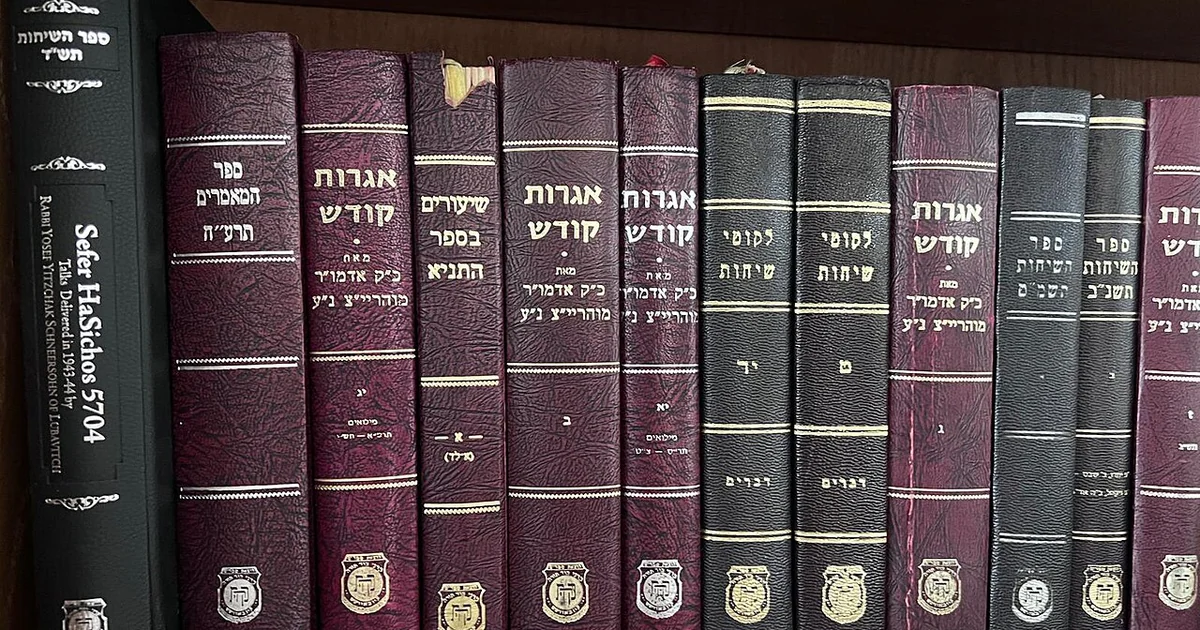
Most households accumulate books without ever deciding what they are for. A few cookbooks, a dictionary from school, a manual for an appliance that no longer works, and a dozen novels read once. A home reference library is different: it is a small, deliberate set of books you return to when a practical question comes up. Building one is less about owning many books and more about choosing the few that answer the questions you actually have. This article explains a method for doing that, along with questions to ask before you buy and a checklist you can use on your own shelves.
Start with recurring questions, not topics
The most useful reference libraries begin with a list of questions you have asked more than once. Look back over the past year. What did you search for? Which conversations ended with someone saying, I think there is a book on that? Which tasks did you put off because you did not know where to start? These recurring questions are better signals than broad interests like 'finance' or 'health,' which are too wide to guide a purchase.
Write down ten questions in plain language. For example: How do I read a pay stub? How do I keep a cast-iron pan from rusting? What do I do if the power is out for three days? How do I set up a home network securely? Each question points toward a kind of book, and some questions will point toward no book at all, which is useful to know. A reference library should answer questions you will ask again, not one-time curiosities.
Judge a reference book by how it is organized
A reference book earns its place by being easy to use under pressure. When you return to a book with a specific problem, you want to find the relevant section within a minute or two. Before buying, check whether the table of contents is detailed, whether the index is complete, and whether chapters are self-contained enough to read alone. A book that rewards cover-to-cover reading may still be a poor reference if you cannot locate the one paragraph you need.
Also check how current the information is likely to be. Some subjects change quickly, such as software, regulations, and technical standards, while others, such as basic cooking technique or woodworking joinery, change very little. For fast-moving topics, a reference should tell you its publication date and suggest where to verify details. For slow-moving topics, an older book may be just as valuable as a new one.
Compare candidates on a short list of criteria
When two books cover the same question, a simple comparison helps. Consider the following in plain terms, without assuming any particular price or format:
Scope: Does the book cover the whole question or only one slice of it? A book on home food storage that only discusses canning is a narrower tool than one that also covers drying, freezing, and rotation.
Depth of explanation: Does it explain why a step matters, or only list steps? Explanations let you adapt when your situation differs from the book's example.
Assumed background: Does the author expect you to already know terms and tools? Choose books written for someone at your current level, and plan to move up later.
Format fit: Will you need diagrams, tables, or checklists in a kitchen or workshop? Some readers prefer a physical copy they can mark up, while others prefer a digital edition they can search. Choose the format you will actually open when the problem appears.
Source transparency: Does the book say who wrote it, what experience informs it, and where facts come from? Be cautious with any book that makes sweeping claims without showing its reasoning.
Ask the right questions before you buy
Before adding a book to your library, ask a few direct questions. Does this book answer one of my recurring questions, or am I buying it out of general interest? Is there a shorter or more current alternative that covers the same ground? Will I consult this book in six months, or only once? If a book is for certification study, is it clearly labelled as an unofficial study guide, and does it avoid implying that a certifying body endorses it? Honest sellers and publishers make these details easy to find. If a book's scope, date, or relationship to official bodies is unclear, look for information elsewhere before buying.
Also ask what the book does not cover. No reference covers everything, and knowing its limits prevents misplaced confidence. A book on basic emergency preparedness can give you a framework for planning, but it cannot replace local guidance for your region. A general health book can explain concepts, but it does not replace a conversation with a qualified professional about your own situation. Treat reference books as starting points and pointers, not final authority on personal decisions involving medicine, law, or money.
A practical checklist for your shelf
Use this sequence to build your library over several months rather than all at once. First, list ten recurring questions. Second, group them into no more than five subjects. Third, for each subject, choose one primary book and, if needed, one backup. Fourth, label each book with the question it answers, using a small slip of paper or a note in the front cover. Fifth, review the shelf twice a year: remove books you have not consulted, and add titles for questions that have grown more frequent.
Keep the library small on purpose. Five to fifteen well-chosen books that you truly use are worth more than a wall of volumes that gather dust. A home reference library is a working collection, and its value comes from the speed with which you can move from a question to a usable answer. Build it around the problems you actually face, check each book's organization and currency, and be honest about what each one can and cannot do.